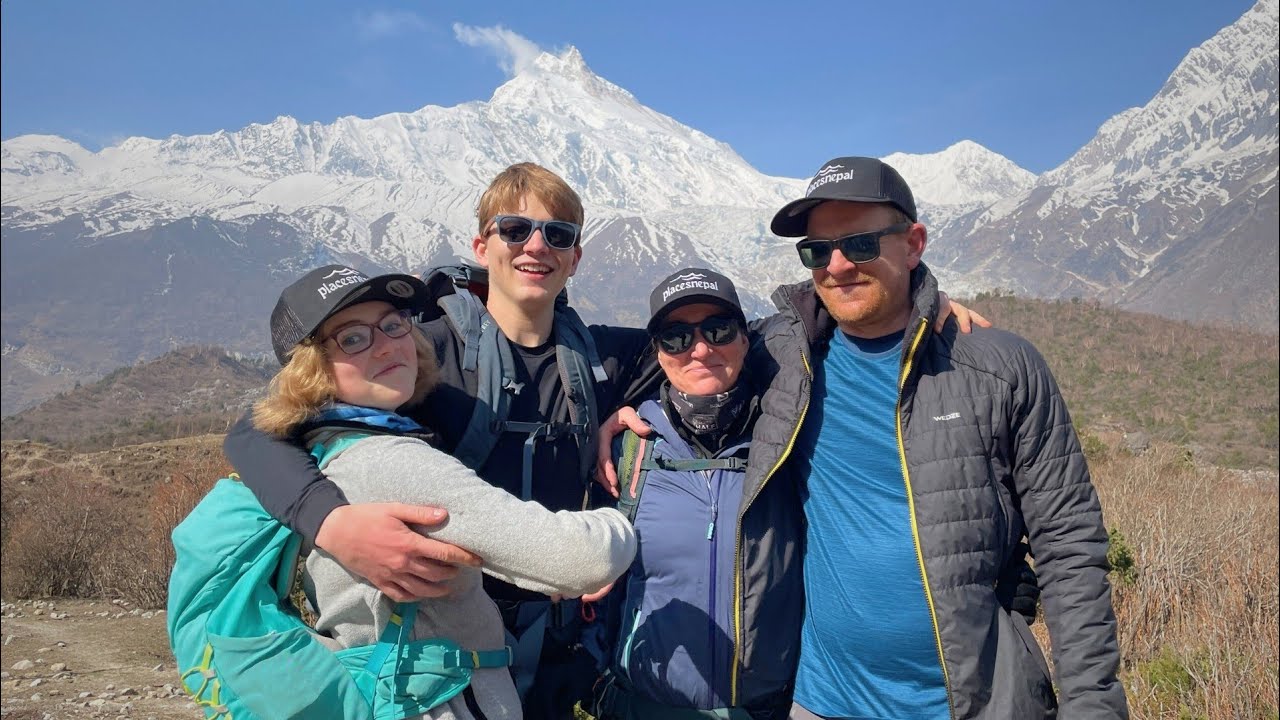
Khumai Danda Trek
Nepal
6 Days
Moderate
From
US$ 480
No of people Price per person
1 - 1 $490
2 - 5 $450
6 - 10 $430

What's included?

Guide

Licensed and first aid-trained English speaking trek guide

Accommodations

All lodges accommodation + 2 nights Pokhara Hotel

Foods

All foods during the trek (Breakfast, Lunch & Dinner)

All Permits

All Necessary Permits (ACAP &TIMs)

All transfers

All ground transfers as per the Itinerary

Airport Transfers

Airport Pick up and Drop Off

What is it really like?

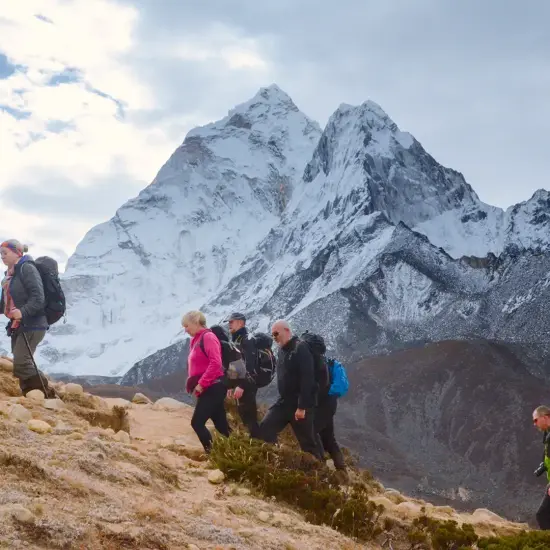
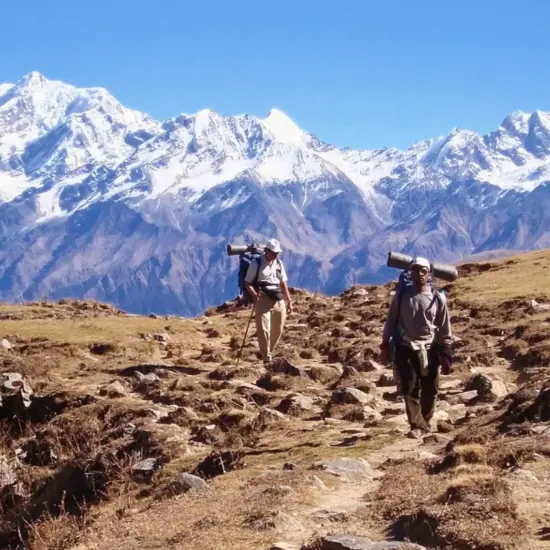
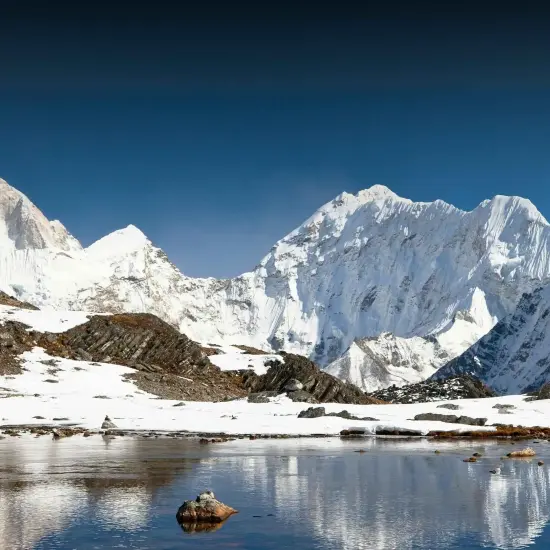
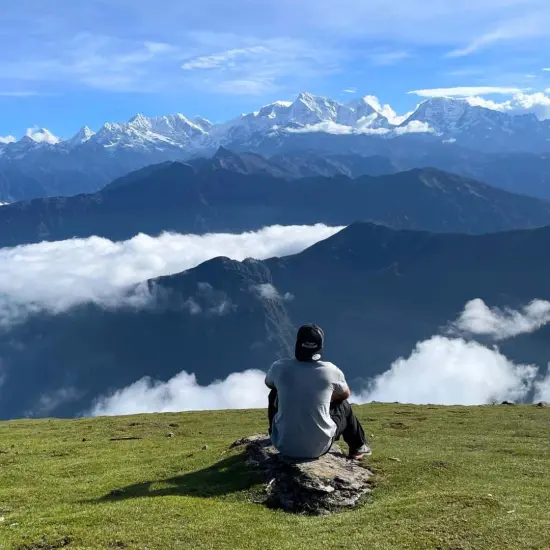
Photos from the Khumai Danda Trek

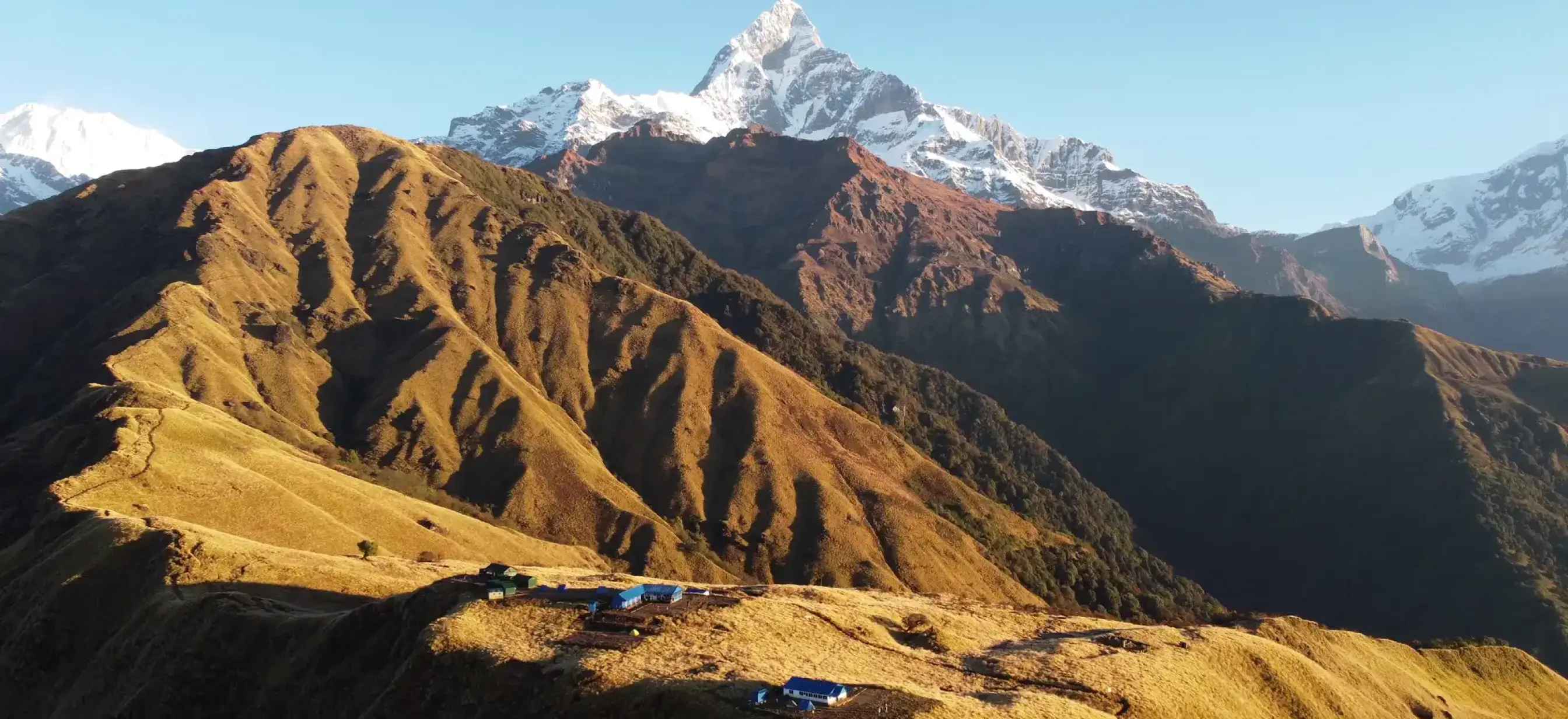
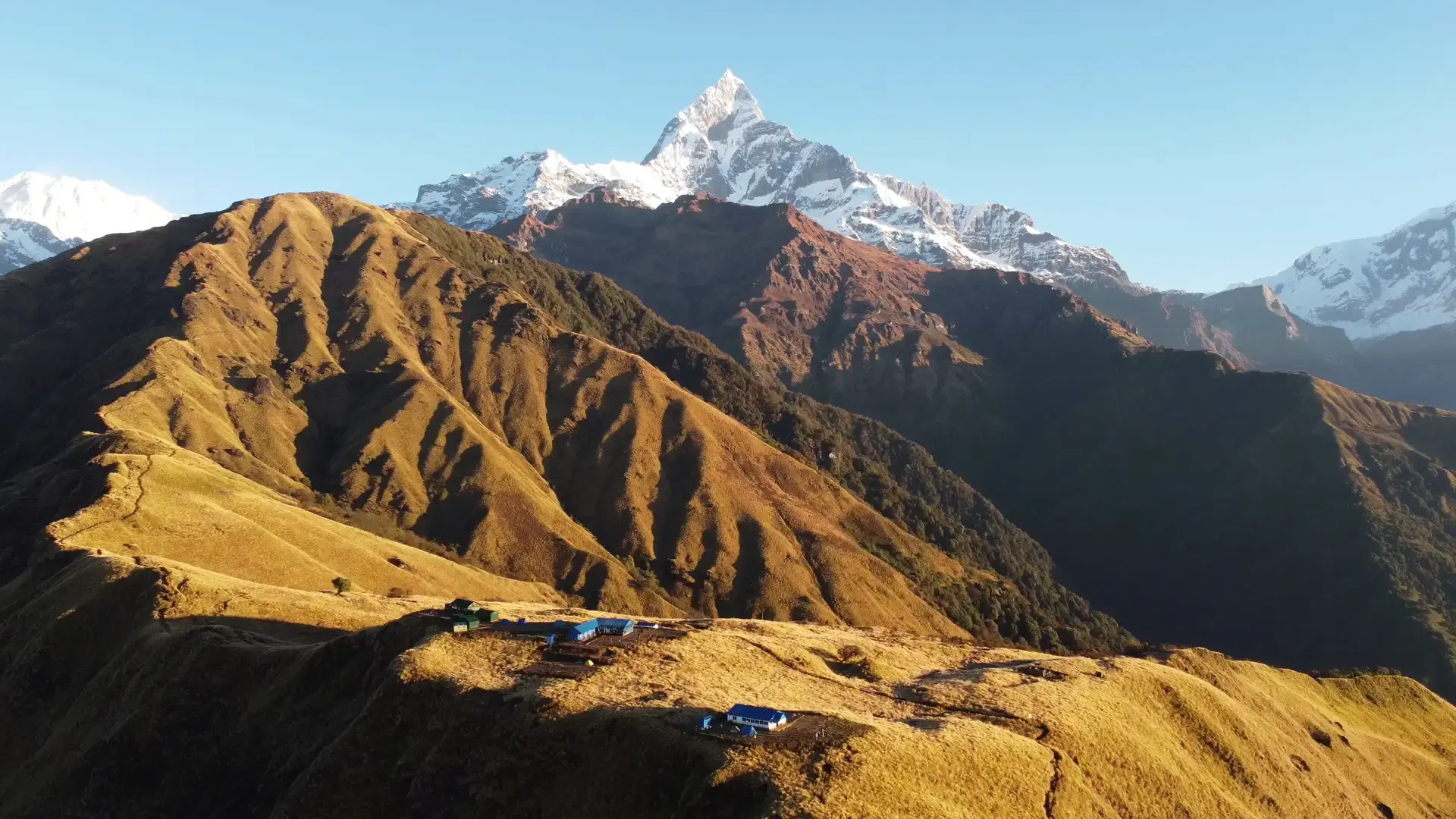
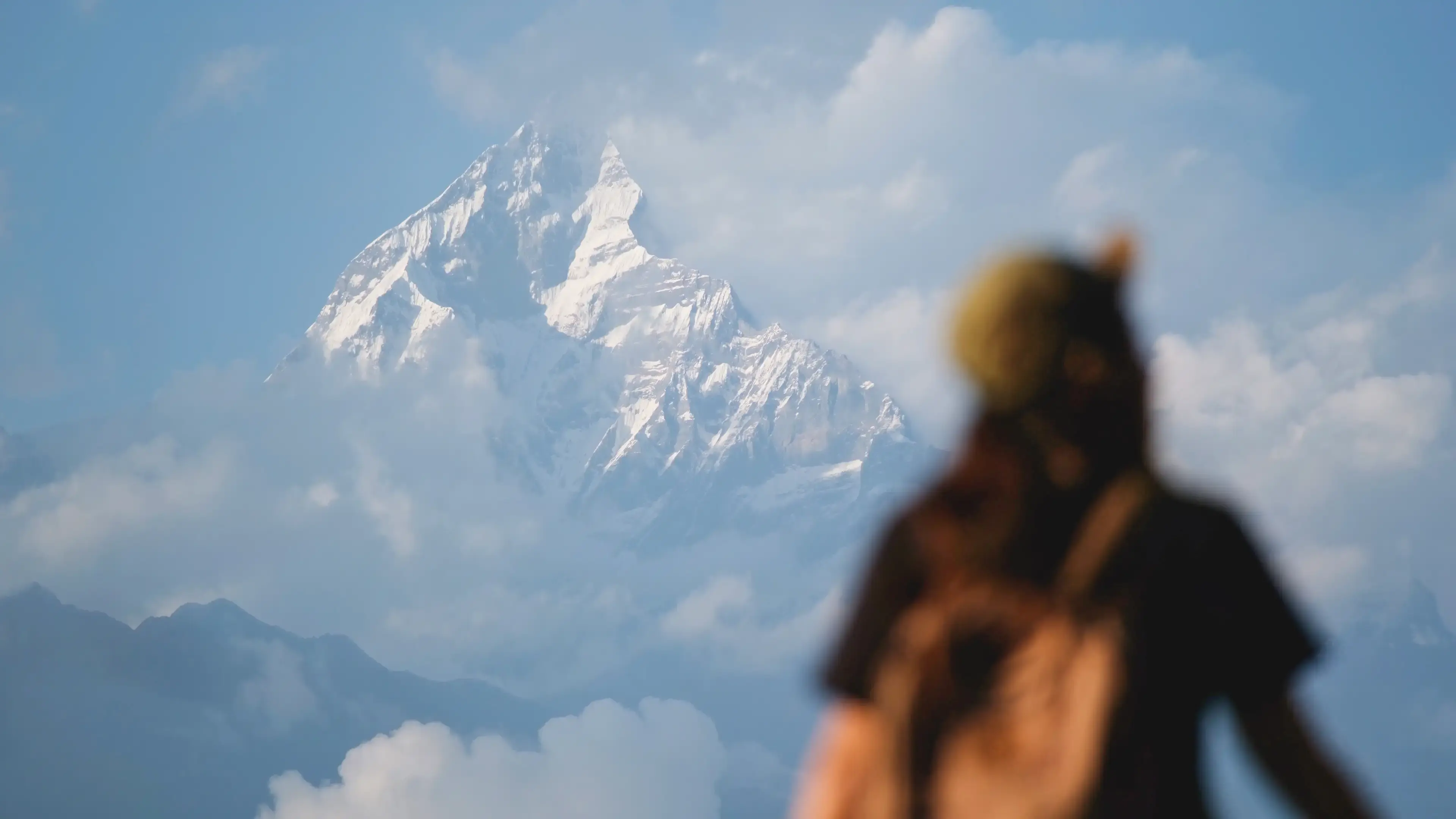
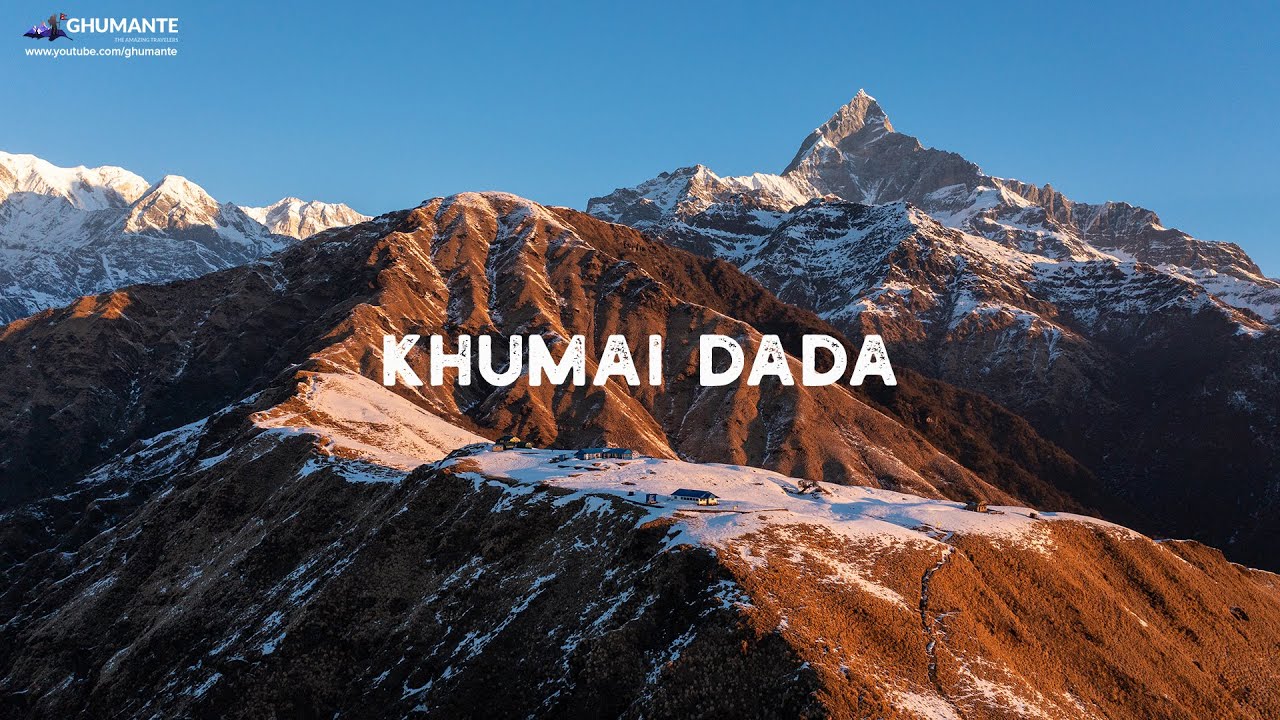
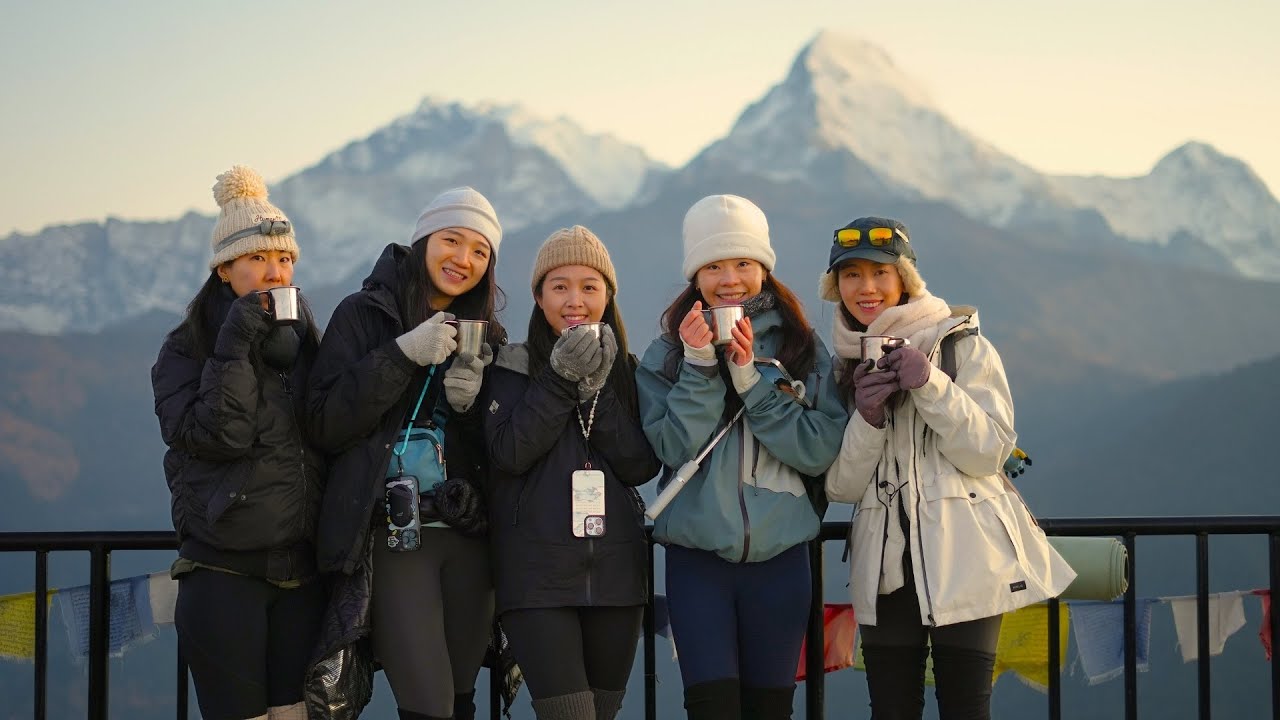
Korchan Danda Sunrise (3,700m): Stunning 360° views of Machhapuchhre, Annapurna South, and Himchuli at dawn

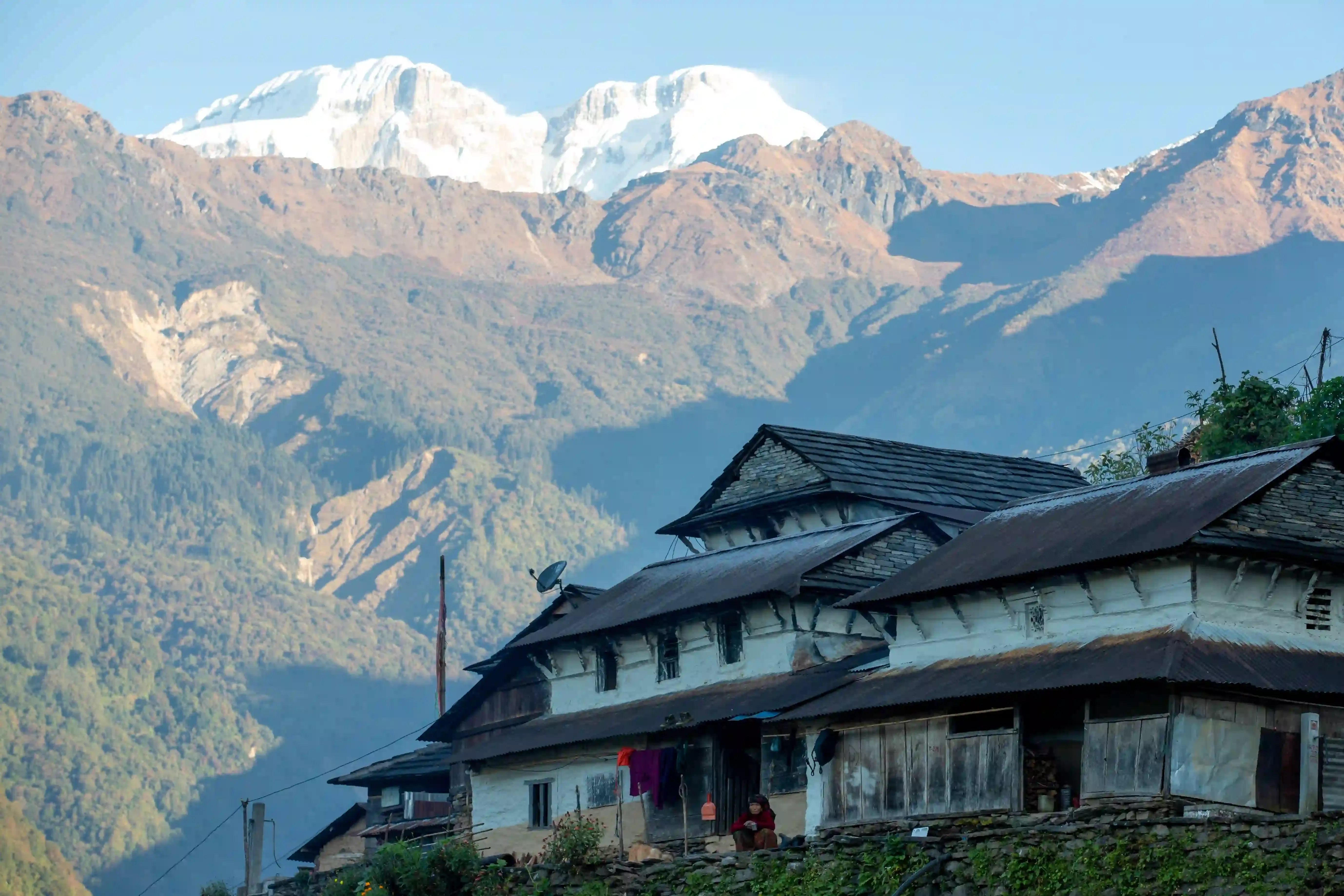
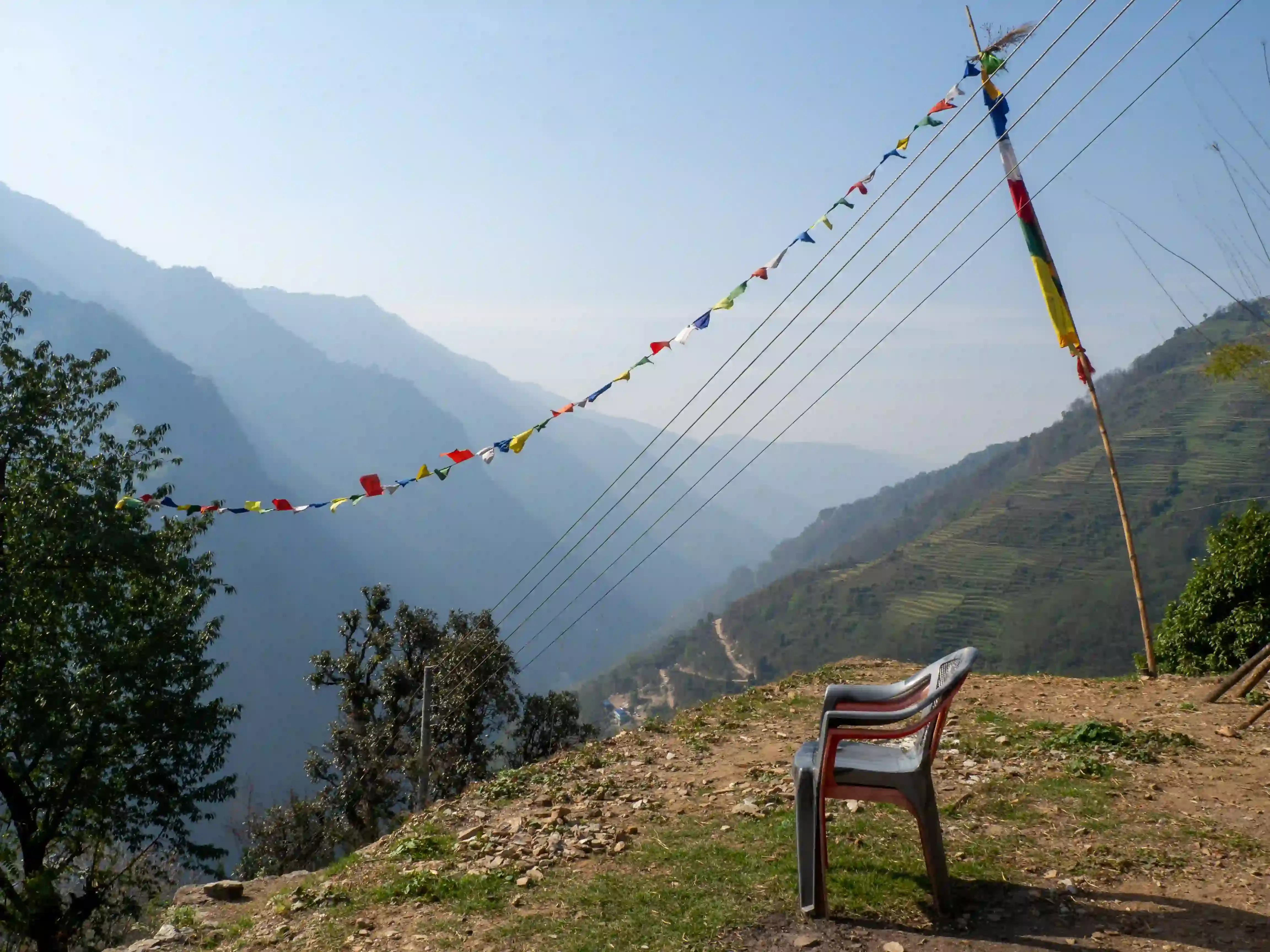
Authentic Gurung Homestay: Experience traditional mountain hospitality with a local family in Mirsha village

Rhododendron Forests: Trek through vibrant blooming forests (spring) of Nepal's national flower

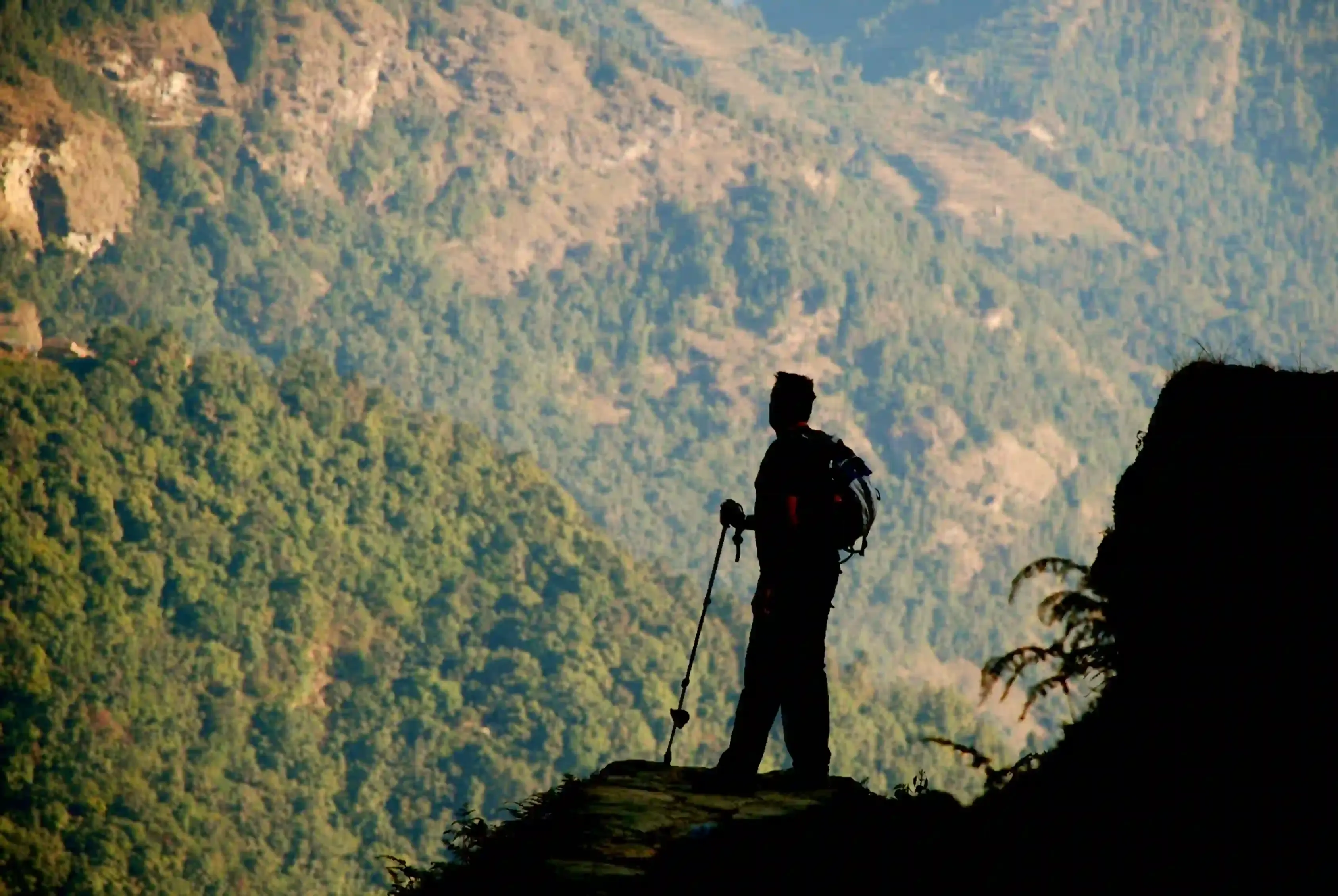
Off-the-Beaten-Path: Quiet, uncrowded trails with genuine wilderness experience in Annapurna Conservation Area

Kharpani Hot Springs: Soak tired muscles in natural thermal springs (35-40°C) after your trek.

Key Information

Max. altitude

827 m / 2,713 ft

Altitude Loss

573 m / 1,880 ft

Accommodation

3-Star Hotel

Meals

Lunch

Early morning departure from Kathmandu by deluxe tourist bus for a scenic 6–7 hour drive to Pokhara. Enjoy views of rivers, terraced hills, and rural landscapes. Upon arrival, transfer to your hotel and spend the rest of the day at leisure exploring the Lakeside area.

Max. altitude

2,360 m / 7,743 ft

Altitude Gain

1,533 m / 5,030 ft

Accommodation

Teahouse / Lodge in Chichimley

Meals

Lunch, Dinner
After breakfast, drive to Ghachok village (1,494 m). Begin trekking toward Chichimley, ascending gradually through mixed forests and traditional Gurung villages. A steady and scenic first trekking day introducing mountain trails and local culture.

Max. altitude

3,245 m / 10,646 ft

Altitude Gain

885 m / 2,904 ft

Accommodation

Teahouse / Lodge in Khumai Danda

Meals

Breakfast, Lunch & Dinner

Continue trekking upward through dense rhododendron forests. The trail climbs steadily, with occasional clearings offering early views of the Annapurna range. Reach Khumai Danda by afternoon and enjoy the peaceful high-ridge setting.

Max. altitude

3,700 m / 12,139 ft

Altitude Loss

1,145 m / 3,757 ft

Accommodation

Local homestay in Mirsha

Meals

Breakfast, Lunch & Dinner

Start early for a sunrise hike to Korchan Danda, the highest point of the trek, offering stunning panoramic views of Machhapuchhre, Annapurna South, and Himchuli. After enjoying the viewpoint, descend steeply through forests and hillsides to the village of Mirsha.

Max. altitude

2,100 m / 6,890 ft

Altitude Loss

1,273 m / 4,177 ft

Accommodation

3-Star Hotel

Meals

Breakfast & Lunch

A short descent brings you to Kharpani Hot Spring, where you can relax in natural geothermal pools. After soaking and resting, drive back to Pokhara. Enjoy a relaxed evening by Phewa Lake after completing the trek.

Max. altitude

1,400 m / 4,593 ft

Altitude Gain

573 m / 1,880 ft

Accommodation

Not included

Meals

Not included

After early breakfast, return to Kathmandu by deluxe tourist bus. The scenic drive winds along rivers and hills, arriving in Kathmandu by evening and marking the end of the journey.

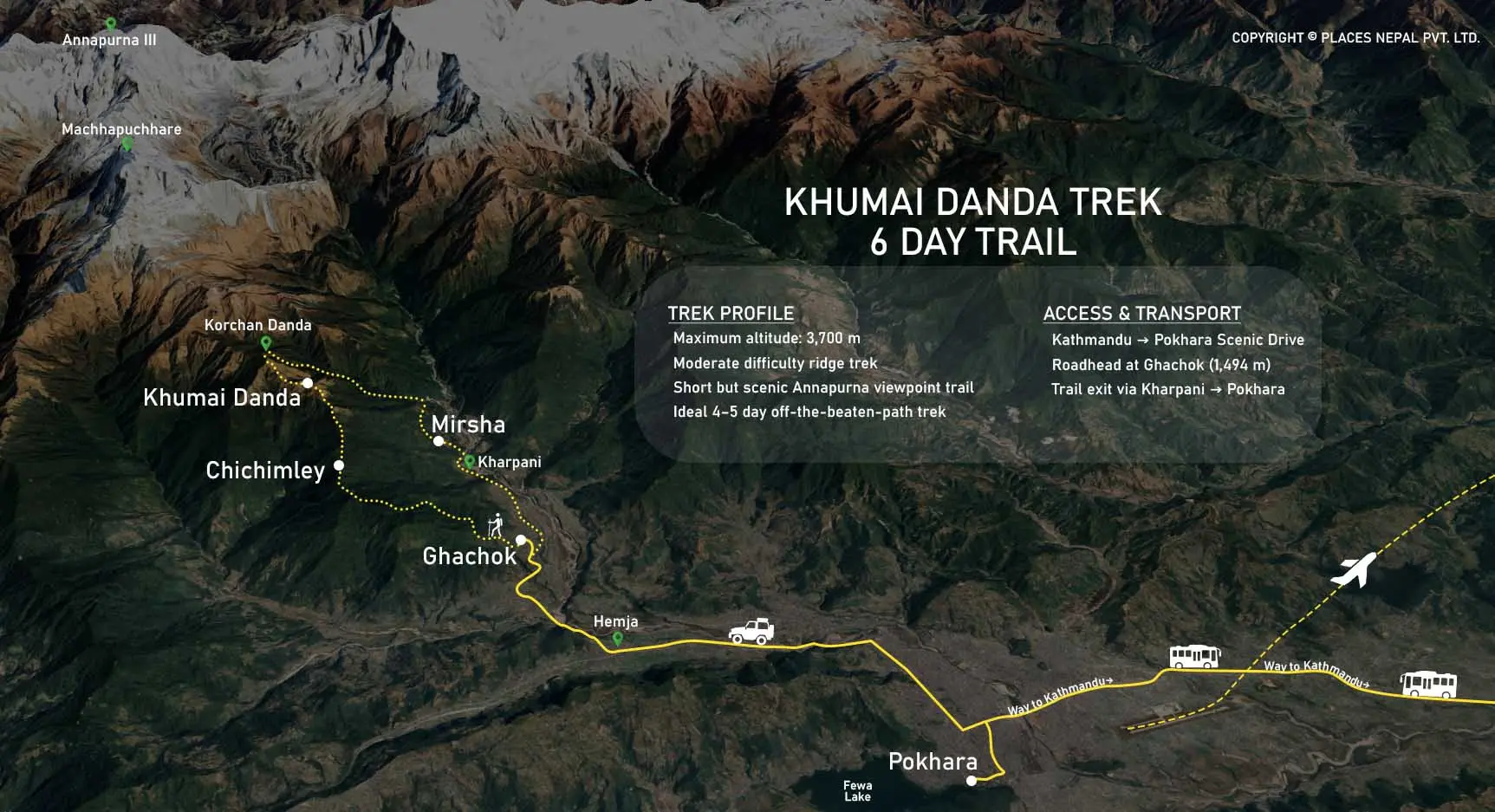
The Khumai Danda trek starts from Ghachok village, located about 25 kilometers northeast of Pokhara. To begin this trek, you'll first need to reach Pokhara from Kathmandu, then take ground transportation to the trailhead at Ghachok.

Getting from Kathmandu to Pokhara

Pokhara is Nepal's adventure capital and the gateway to the Annapurna region, sitting about 200 kilometers west of Kathmandu. You've got three main options:

Option 1: Tourist Bus (Included)

The deluxe tourist bus is the most common choice for the 6-7 hour journey. Buses depart Kathmandu early morning (around 7 AM) and follow the scenic Prithvi Highway alongside the Trishuli River. There's a lunch stop halfway at a roadside restaurant.

Tourist buses are comfortable—cushioned seats, AC, and fewer stops than local buses. The route offers nice views of terraced hillsides, river valleys, and rural villages.

This transportation is included in your Places Nepal trek package.

Option 2: Private Car/Jeep (Optional Upgrade)

For more comfort and control over your schedule, you can upgrade to a private vehicle for around $150-180 USD (fits 4-5 people comfortably). You can leave whenever you want, stop for photos, and take bathroom breaks on your own timeline. Great if you're traveling as a group.

Option 3: Domestic Flight (Optional Upgrade)

Multiple airlines fly Kathmandu to Pokhara throughout the day—just 25-30 minutes in the air, costing around $130-140 USD per person. On clear days, you'll get amazing aerial views of the Himalayas including Annapurna and Manaslu ranges.

Important: Mountain flights can be delayed or canceled due to weather, especially during monsoon or winter mornings.

Getting from Pokhara to Ghachok Trailhead

Once you're in Pokhara, you'll need transportation to Ghachok village (1,494m), where the Khumai Danda trek officially begins.

Private Jeep/Car to Ghachok (Included)

On Day 2 of your trek, Places Nepal provides private jeep or car transportation from Pokhara to Ghachok, which takes approximately 1.5 hours covering 25 kilometers. The road heads northeast from Pokhara, gradually climbing through terraced farmland and small settlements before reaching Ghachok village.

Road Condition: Partly paved, partly rough mountain road
Cost: Included in your trek package

This is the most convenient and comfortable option, and your guide will coordinate the pickup from your Pokhara hotel.

Return Journey: Kharpani to Pokhara

On Day 5, after relaxing at the Kharpani Hot Springs, you'll take a shared jeep or local bus back to Pokhara (approximately 2 hours, 30 km). This transportation is also included in your Places Nepal package.

Shared jeeps are the common local transport in this area—you'll ride with other passengers (locals and possibly other trekkers), making it an authentic Nepali experience while keeping costs down.

Khumai Danda Trek
Elevation Chart
Day 1
3- Star Hotel in Pokhara
Breakfast
Lunch
Dinner
Day 2
Teahouse/ Guesthouse
Breakfast
Lunch
Dinner
Day 3
Teahouse/ Guesthouse
Breakfast
Lunch
Dinner
Day 4
Teahouse/ Guesthouse
Breakfast
Lunch
Dinner
Day 5
3- Star Hotel in Pokhara
Breakfast
Lunch
Dinner
Day 6
Breakfast
Lunch
Dinner

Pokhara Hotels (Days 1 & 6)

Your Khumai Danda trek includes comfortable tourist hotels in Pokhara's Lakeside area with all the usual stuff—private rooms, hot showers, Wi-Fi, and electricity. Perfect for unwinding before and after your Annapurna region trek.

Chichimley Teahouse (Day 2)

At 2,360 meters, Chichimley village has basic teahouses run by local families. Think simple twin rooms with shared bathrooms (mix of squat and Western toilets). Hot showers are available for extra cash (around 300-400 NPR). There's a cozy common area with a stove where everyone hangs out in the evenings—typical Nepal trekking lodge experience.

Khumai Danda Lodge (Day 3)

Up at 3,245 meters, things get more rustic. The Khumai Danda accommodation is super basic—shared dorm-style rooms or simple twin setups with thin mattresses.

Facilities are minimal: pit toilets outside, no hot water, and very limited or zero electricity.

Bring a good sleeping bag rated for cold temps because it gets freezing at night, especially before your Korchan Danda sunrise hike. Your headlamp and power bank are essential here.

Mirsha Village Homestay (Day 4)

This is a highlight—staying with a Gurung family homestay in their traditional home at 2,100 meters. Rooms are basic (mattresses on the floor or simple beds, shared bathrooms), but the experience is authentic and genuinely warm.

No Wi-Fi, limited power, outdoor toilets—but you'll get a real taste of Gurung village life and local hospitality. Totally worth it for the cultural immersion.

What You're Eating on the Trek

Most of our trekkers say Trekking food in Nepal is surprisingly good—simple, hearty, and cooked fresh. You'll get three meals daily at lodges, teahouses, or your homestay.

Menu Highlights

Breakfast: Dal bhat (Nepal's national dish), eggs (fried/boiled/scrambled), pancakes, Tibetan bread with jam, porridge, toast, muesli. Nepali milk tea (chiya) and instant coffee always available.

Lunch & Dinner: Dal bhat tarkari (unlimited refills—this is your friend on the trail), fried rice, chow mein, momos (Nepali dumplings—veg, chicken, or buffalo), thukpa (noodle soup), pasta, spring rolls, vegetable curry, soups. The higher you go, the simpler the menu gets since everything's carried up to high altitude lodges.

At the Homestay: Your Mirsha homestay hosts will cook traditional Gurung food—usually dal bhat with fresh veggies, homemade pickles (achar), and other authentic dishes. Simple but delicious and real.

Dietary Options

Vegetarian trekking is super easy—most dishes are naturally veggie anyway. Vegan trekking food is doable if you let your guide know beforehand (dal bhat without ghee, veggie dishes without dairy). Gluten-free trekking is trickier but manageable with rice-based meals. Just communicate any restrictions when you book so lodges can prepare.

Drinks on the Trail

Tea with meals and coffee at breakfast are included. Everything else costs extra—bottled water, soft drinks, beer, hot chocolate, extra tea/coffee.

Pro tip: Skip the bottled water on treks. Bring water purification tablets or a filter and refill from taps or streams. Way cheaper, better for the environment, and you'll never run out.

Food Safety While Trekking

Stick to cooked food, drink purified water, and you'll be fine. Dal bhat is always the safest bet since it's cooked fresh and served hot. Wash hands before eating (hand sanitizer is your friend).

Our Take on Trekking Food & Lodges

Portions are generous—you won't go hungry on this Nepal mountain trek. Dal bhat comes with free refills, which is clutch after a long day hiking. The homestay experience in Mirsha is special—embrace the simple, home-cooked food. It's not fancy, but it's authentic and made with care.

Bring snacks from Pokhara (chocolate, energy bars, nuts) for munching on the trail. Stay hydrated (3-4 liters daily at altitude), eat regularly even if you're not super hungry, and enjoy hot meals after cold mountain days.

The teahouse accommodation gets more basic as you go higher, but that's part of the adventure. Pack a good sleeping bag (rated -5°C minimum), bring a headlamp, and you'll be totally fine for this moderate trek in Nepal.

The combination of basic mountain lodges, authentic homestay experience, and traditional Nepali food makes the Khumai Danda trekking experience genuinely memorable and different from the busier Annapurna trek routes.

Overall Difficulty: Moderate

The Khumai Danda trek difficulty is rated as moderate, making it suitable for trekkers with reasonable fitness and some hiking experience. It's challenging enough to feel like a real mountain adventure but accessible to most people in decent shape.

What Makes This Trek Challenging

Altitude Gain

The maximum altitude you'll reach is Korchan Danda at 3,700 meters. While this isn't extreme by Himalayan standards, it's high enough that you'll notice thinner air and need to pace yourself. Most trekkers handle this elevation without serious issues, but mild altitude symptoms like headaches or shortness of breath can occur.


The trek involves significant elevation gain—climbing from Ghachok (1,494m) to Korchan Danda (3,700m) over just two days, gaining over 2,200 meters total. Day 2 and Day 3 are the most demanding with sustained uphill sections.

Daily Trekking Hours

Expect to walk 4-5 hours per day on average during the main trekking days. Day 2 (Ghachok to Chichimley) involves 5 hours of uphill trekking with 866m elevation gain. Day 3 (Chichimley to Khumai Danda) is another 4-5 hours climbing 885 meters. Day 4 starts with a 2-3 hour sunrise hike up to Korchan Danda, followed by a long 4-hour descent to Mirsha—tough on the knees.

Trail Conditions

The Khumai Danda trail follows well-established paths but they're not always smooth:

  • Rocky forest paths with roots and uneven surfaces

  • Steep uphill sections requiring steady effort and stamina

  • Dense rhododendron forest trails that can be slippery when wet

  • Some exposed ridgeline walking near the Korchan Danda viewpoint

  • Long descents that are hard on knees and leg muscles

Trekking poles are highly recommended, especially for the steep descent from Korchan Danda to Mirsha on Day 4.

Rapid Altitude Gain

Unlike longer treks where you ascend gradually over many days, the Khumai Danda itinerary gains altitude fairly quickly—you're at 3,245 meters by the end of Day 3. This faster ascent means your body has less time to acclimatize, so it's important to stay hydrated, eat well, and listen to your body.

Basic Mountain Facilities

The remote nature of this trek means basic teahouse accommodation, limited electricity, simple pit toilets, and no hot showers at higher elevations. This isn't physically difficult, but it requires mental adjustment if you're not used to rustic mountain conditions.

What Makes It Manageable

Shorter Duration

At 6 days total with only 4 actual trekking days, this isn't a long expedition. You're not out for weeks—it's a manageable timeframe even for people with limited trekking experience.

Experienced Guide Support

You'll have an experienced guide who knows the terrain, sets a sustainable pace, monitors altitude symptoms, and handles any issues that arise. Porter services are included (one porter for 2-3 trekkers), so you're only carrying a light daypack.

Well-Established Route

The trail is a recognized trekking route with established paths, lodges, and local support. You're not bushwhacking or navigating unmarked terrain—the route is clear and safe with proper guidance.

Gradual Daily Progression

While the overall altitude gain is significant, each individual day's trek is broken into manageable chunks with regular rest stops, lunch breaks, and a pace that allows for gradual adjustment.

Who Should Do This Trek

Good fit for:

  • Trekkers with moderate fitness who exercise regularly

  • Hikers who've done multi-day treks before

  • Anyone comfortable walking 4-5 hours with breaks

  • People looking for authentic mountain experiences and cultural immersion

  • Adventurous beginners willing to train beforehand

  • Those wanting the Gurung homestay experience in Mirsha

Might struggle:

  • Complete beginners with no fitness foundation

  • People with serious knee problems (steep descents)

  • Anyone with heart or respiratory conditions

  • Trekkers who get severe altitude sickness at moderate elevations

  • Those expecting luxury accommodation

Bottom Line

The Khumai Danda trek is moderately challenging—harder than a casual hike, easier than technical high-altitude expeditions. If you're reasonably fit, train a bit beforehand, and ready for basic mountain living, you'll absolutely manage this trek. The Korchan Danda sunrise view and Gurung homestay experience make every challenging step worthwhile.


Thousands of trekkers complete this route every year. Come prepared, listen to your guide, stay hydrated, and enjoy the journey through one of the Annapurna region's hidden trek.

Best Seasons for Trekking

The Khumai Danda trek is best done during spring (March-May) and autumn (September-November) when weather conditions are most favorable for mountain trekking with clear skies and stable temperatures. Winter (December-February) is also possible for experienced trekkers who don't mind cold conditions.

Spring Season (March - May)

Spring is spectacular on the Khumai Danda route, especially for nature lovers. The rhododendron forests between Ghachok and Khumai Danda explode with vibrant blooms—deep reds, pinks, and whites covering the hillsides. This is arguably the most photogenic time to trek.

Temperature ranges:

  • Ghachok/Chichimley (1,500-2,400m): Daytime 18-22°C, nighttime 8-12°C
  • Khumai Danda (3,245m): Daytime 8-12°C, nighttime -2 to 3°C
  • Korchan Danda (3,700m): Daytime 5-8°C, nighttime -5 to 0°C

Weather patterns: Mornings are generally clear with excellent mountain visibility—perfect for your sunrise hike to Korchan Danda. Afternoons can bring clouds and occasional light rain, especially in late April and May as monsoon season approaches. Early spring (March) offers the clearest skies but colder temperatures at high elevations.

What to expect: Stunning rhododendron displays, comfortable daytime temperatures at lower elevations, freezing nights at Khumai Danda and Korchan Danda, occasional afternoon showers in late spring.

Autumn Season (September - November)

Autumn is peak trekking season and offers the most reliable weather conditions. The monsoon rains have cleared, leaving crystal-clear air and outstanding mountain views.

Temperature ranges:

  • Ghachok/Chichimley (1,500-2,400m): Daytime 16-20°C, nighttime 10-14°C
  • Khumai Danda (3,245m): Daytime 10-14°C, nighttime 0-5°C
  • Korchan Danda (3,700m): Daytime 6-10°C, nighttime -3 to 2°C

Weather patterns: Consistently dry and stable with minimal rainfall. September can still have some residual monsoon moisture, but by October and November, conditions are nearly perfect. Crisp mornings, pleasant afternoons, and cold but dry evenings. This is when you get those postcard-perfect panoramic views of Machhapuchhre, Annapurna South, and Himchuli from Korchan Danda.

What to expect: Exceptional mountain visibility, stable weather, comfortable hiking temperatures, increasingly cold nights as you move toward winter (especially November), brilliant blue skies.

Winter Season (December - February)

Winter trekking on the Khumai Danda route is possible and offers some unique advantages—crystal-clear mountain views, fewer trekkers, and a pristine winter landscape. However, it requires proper preparation for cold conditions.

Temperature ranges:

  • Ghachok/Chichimley (1,500-2,400m): Daytime 10-15°C, nighttime 2-6°C
  • Khumai Danda (3,245m): Daytime 2-6°C, nighttime -8 to -3°C
  • Korchan Danda (3,700m): Daytime -2 to 3°C, nighttime -12 to -6°C

Weather patterns: Very clear, dry, and stable weather with exceptional mountain visibility. Snow is possible at higher elevations, though accumulation is usually moderate. Days are shorter with less sunlight for trekking. The sunrise hike to Korchan Danda will be extremely cold—proper winter gear is essential.

What to expect: Outstanding clarity and views, very cold temperatures especially at night and early morning, possible light snow at Khumai Danda and above, fewer trekkers on the trail, some teahouses may have limited services.

Winter requirements: 4-season sleeping bag rated to -15°C, down jacket, insulated layers, warm gloves and hat, quality trekking boots suitable for possible snow/ice. Not recommended for first-time trekkers or those uncomfortable with cold weather.

Transportation:

  • Airport pickup and drop-off in Kathmandu
  • Kathmandu to Pokhara deluxe tourist bus (two-way)
  • Private car/van from Pokhara to Ghachok trailhead
  • Shared jeep from Kharpani back to Pokhara

Accommodation:

  • 2 nights in 3-star hotel in Pokhara (Day 1 and Day 5)
  • Clean lodge and teahouse accommodation during the trek (Chichimley, Khumai Danda, Mirsha homestay)

Meals:

  • Breakfast, lunch, and dinner during the trek (Day 2-5)

Permits:

  • ACAP (Annapurna Conservation Area Permit)
  • TIMS card permit
  • All government and local taxes

Guide & Equipment:

  • Experienced English-speaking, government-licensed trekking guide
  • All guide expenses (food, accommodation, transport, salary, insurance, equipment)
  • Kit bag/duffel bag for your belongings
  • Certificate of trek completion from Places Nepal

International Travel:

  • Airfare for international flights
  • Nepal entry visa fees upon arrival at Tribhuvan International Airport (15 days: $25-30 USD, 30 days: $50 USD)

Porter Service:

  • Porter service (if you need a porter, select during checkout)

Kathmandu & Pokhara:

  • Accommodations and meals in Kathmandu before and after the trek
  • Meals in Pokhara before and after the trek

Personal Equipment:

  • Personal equipment for high and cold temperatures

Insurance & Emergency:

  • Emergency high-altitude rescue and evacuation (must be covered by travel insurance)

Beverages & Extras on Trek:

  • All beverages, soft and caffeinated drinks such as Coke, beer, etc.
  • Drinking water/mineral water
  • Desserts
  • Hot showers
  • Laundry services

Tips:

  • Tips for guide and porter

Unforeseen Circumstances:

  • Costs or delays beyond the control of management, such as landslides, weather conditions, itinerary modifications due to safety concerns, illness, changes in government policies, strikes, etc.

General:

  • All costs and expenses not listed under "Cost Included"

The Khumai Danda trek isn't extremely difficult, but you'll have a way better time if you show up in decent shape. Start training 4-6 weeks before your trek to build the endurance and leg strength you'll need for climbing to 3,700 meters and handling 4-5 hour trekking days.

Cardio Training

You'll be walking uphill for hours at altitude, so cardio fitness is crucial. Do these activities 3-4 times per week for 30-45 minutes:

  • Running or jogging (hills if possible)
  • Cycling (preferably hilly routes)
  • Swimming
  • Stair climbing (if no hills nearby, use StairMaster or find stairs)

Build up so you can comfortably sustain moderate activity for extended periods—this translates directly to trekking uphill.

Leg Strength

Strong legs make the trek way easier, especially on the climbs to Khumai Danda and the descent to Mirsha. Do these 2-3 times per week:

  • Squats (3 sets of 15-20 reps)
  • Lunges (3 sets of 12-15 per leg)
  • Step-ups (3 sets of 15-20 per leg)
  • Calf raises (3 sets of 20-25 reps)

Your quads, glutes, and calves will be working overtime—strengthen them now and thank yourself later.

Practice Hiking

The best training is actual hiking. Go for weekend hikes starting with 2-3 hours and building to 4-5 hours. If you have hills or mountains nearby, use them. Once comfortable, add a 5-7 kg daypack to simulate trekking conditions. No hills? Do long flat walks—just get time on your feet.

Quick Core & Flexibility

Add planks, side planks, and stretching 2-3 times per week for 10-15 minutes. Strong core helps with balance on uneven terrain. Stretch quads, hamstrings, calves, and hip flexors after workouts.

Simple 6-Week Plan

Weeks 1-2: Cardio 3x/week (30 min), leg exercises 2x/week, 2-3 hour weekend hike Weeks 3-4: Cardio 3-4x/week (40 min with hills), leg exercises 2-3x/week, 3-4 hour hike with 5kg pack Weeks 5-6: Cardio 4x/week (45 min), leg exercises 3x/week, 4-5 hour hike with 7kg pack Final week: Light workouts, rest up—arrive fresh, not exhausted

Minimum If Short on Time

Can't do 6 weeks? At minimum:

  • Walk as much as possible daily (take stairs everywhere)
  • Do stair climbing 2-3x/week for 20-30 minutes
  • Squats and lunges at home (no gym needed)
  • 2-3 long walks (3+ hours) before departure

  • Backpack/Daypack (30-40L): For carrying daily essentials—water, snacks, camera, extra layers, rain gear
  • Duffel Bag (60-70L): For porters to carry your main gear (they typically carry up to 15 kg)
  • Sleeping Bag: Rated to at least -5°C for spring/autumn, -15°C for winter trekking
  • Trekking Poles: Highly recommended for stability and knee support, especially on the steep descent to Mirsha
  • Headlamp: Essential with extra batteries (no electricity at higher camps)
  • Water Bottles or Hydration Bladder: At least 2 liters capacity
  • Water Purification: Tablets, drops, or filter system (cheaper and eco-friendly than bottled water)
  • Sunglasses: UV protection essential at altitude
  • Sun Hat/Cap: Wide brim for sun protection
  • Dry Bags/Plastic Bags: Keep clothes and electronics dry inside your pack
  • Stuff Sacks: Organize gear inside your duffel

Packing Tips

Rent in Pokhara: Missing key items like sleeping bags, down jackets, or trekking poles? Rent quality gear in Pokhara for reasonable prices instead of buying stuff you'll use once.

Test everything: Don't show up with brand new boots or untested gear. Break in your boots and use your equipment at least once before the trek.

Pack light: If you're hiring a porter, they carry up to 15 kg (not including their gear). Your daypack should be 5-7 kg with daily essentials. If your total is pushing 20+ kg, you're overpacking.

Layer smart: Several thin layers are better than one thick jacket—you can add or remove as temperatures change throughout the day.

Winter trekking: Add 4-season sleeping bag (-15°C), extra insulation layers, heavy gloves, face protection, and hand warmers.

Base Layers:

  • 2-3 moisture-wicking t-shirts or long-sleeve shirts (avoid cotton)
  • 2 pairs quick-dry trekking pants
  • 1 pair shorts (optional for lower elevations)
  • 3-4 pairs underwear
  • 3-4 pairs trekking socks (wool or synthetic—never cotton)
  • 1 pair thermal leggings (for sleeping and high altitude)
  • 1 long-sleeve thermal top

Insulation:

  • 1 fleece or insulated mid-layer jacket
  • 1 down or synthetic puffy jacket (essential for Khumai Danda and Korchan Danda)
  • Extra insulated layers for winter trekking

Outer Layers:

  • 1 waterproof rain jacket with hood (essential even in dry season)
  • 1 waterproof rain pants
  • Trekking Boots: Sturdy, well broken-in hiking boots with ankle support (NO new boots!)
  • Camp Shoes: Lightweight sandals or slip-ons for lodges and homestay
  • Gaiters: Optional but useful in wet conditions or winter snow
  • Warm Beanie/Wool Hat: Essential for cold mornings and Korchan Danda sunrise
  • Gloves: Fleece or light insulated (freezing at high altitude)
  • Heavy Gloves for Winter: If trekking December-February
  • Liner Gloves: Optional extra warmth layer
  • Buff/Neck Gaiter: Multi-purpose for warmth, dust, sun protection
  • Sunscreen (SPF 50+—UV is intense at altitude)
  • Lip balm with SPF
  • Toothbrush and toothpaste
  • Biodegradable soap
  • Hand sanitizer
  • Toilet paper (lodges run out—pack your own)
  • Wet wipes/baby wipes (for when showers aren't available)
  • Quick-dry towel (small)
  • Feminine hygiene products if needed
  • Deodorant (optional—everyone smells on the trail)
  • Razor (optional)
  • Nail clippers
  • Personal prescription medications (bring enough for entire trek plus extra days)
  • Altitude sickness medication (Diamox—consult your doctor before trip)
  • Pain relievers (ibuprofen, paracetamol)
  • Anti-diarrheal medication (Imodium)
  • Antibiotic ointment
  • Blister treatment (Compeed, moleskin, bandages)
  • Basic bandages and gauze
  • Athletic tape or duct tape
  • Antiseptic wipes
  • Antihistamines (for allergies)
  • Rehydration salts/electrolyte powder
  • Any personal allergy medications
  • Tweezers and safety pins

Documents & Money:

  • Passport (required for permits)
  • Extra passport photos (2-3 for permits)
  • Travel insurance documents
  • Trekking permits (ACAP and TIMS)
  • Cash in Nepali rupees (no ATMs on trail)
  • Credit/debit card (backup)

Electronics:

  • Phone and charger
  • Power bank (fully charged—limited charging above Chichimley)
  • Camera and extra batteries/memory cards
  • Adapter plug (Nepal uses Type C, D, M sockets)
  • Earphones/headphones

Other Essentials:

  • Snacks (energy bars, chocolate, nuts, trail mix)
  • Ziplock bags (various sizes—always useful)
  • Earplugs (for snoring lodge-mates)
  • Book, Kindle, or playing cards for downtime
  • Notebook and pen
  • Whistle (emergency signaling)
  • Lightweight lock (for duffel bag)
  • Duct tape (small amount wrapped around trekking pole)
  • Bandana or handkerchief

Absolutely Worth It!

Just got back from the Khumai Danda trek and honestly, it exceeded all expectations. Our guide Ramesh from Places Nepal Team was incredible - super knowledgeable about the local culture and always made sure we were comfortable. The trek itself isn't too challenging, perfect for someone like me who's moderately fit but not a hardcore trekker. The rhododendron forests in spring must be insane (we went in October). Views of Annapurna and Dhaulagiri from the top? Chef's kiss. Way less crowded than ABC or Poon Hill. If you want an authentic experience without the tourist hordes, this is it.

M
Melanie Miles
Australia

Peaceful Trek with Stunning Mountain Views

Did this trek last April with my sister and it was perfect for us. We were worried about difficulty, but the Khumai Danda trek difficulty is totally manageable - mostly gradual ascents with a few steeper sections. The guide from Places Nepal Team was patient and adjusted the pace to suit us. What I loved most was the quietness - we barely saw other trekkers. The cultural aspect was beautiful too. We stayed in local teahouses, met wonderful families, and learned so much about Nepali village life. The mountains are right there in your face the whole time. Would definitely recommend to friends looking for something off the beaten path.

S
Shannon Wood
Canada

Underrated Trek That Deserves More Attention

Why isn't everyone talking about Khumai Danda? Seriously one of the best treks I've done in Nepal, and I've done a few. The diversity is what got me - terraced rice fields, dense forests, alpine meadows, and then BAM - massive Himalayan panorama. Met our guide Hari through Places Nepal Team and he was fantastic. Really down to earth guy who grew up in the region. He shared stories about local legends and pointed out medicinal plants along the way. Four days was the perfect length - long enough to feel immersed but short enough that I didn't feel exhausted. Great choice if you have limited time but want real mountain views.

C
Cynthia Moore
United Kingdom

Authentic Village Trek

Just completed the Khumai Danda trek and I'm still buzzing! This was my first trek in Nepal and I'm so glad I chose something less touristy. The trail winds through beautiful farming communities where kids run up to say "Namaste" and locals invite you for tea. Our guide Prakash from Places Nepal Team made everything so easy - he organized everything and we just had to show up and walk. The physical challenge was moderate, definitely doable if you're reasonably fit and take your time. Top tip: bring good sunscreen because you're exposed at higher elevations. The mountain panorama from Khumai Danda village is unreal - Machhapuchhre looks close enough to touch. Can't recommend this enough for people who want to experience real Nepal!

E
Elizabeth Jones
New Zealand

The Khumai Danda trek is a short but rewarding 6-day adventure in the Annapurna region that combines stunning Himalayan panoramas, rich Gurung culture, and pristine rhododendron forests—all without the crowds found on more popular routes. This moderately challenging trek takes you from traditional villages to the spectacular Korchan Danda viewpoint at 3,700 meters, where you'll witness sunrise over Machhapuchhre, Annapurna South, and Himchuli.

Why Trek Khumai Danda?

Unlike the busy Annapurna Base Camp or Poon Hill circuits, the Khumai Danda route remains refreshingly quiet and authentic. You'll experience genuine village hospitality, including a traditional Gurung homestay in Mirsha, trek through forests bursting with rhododendrons (especially stunning in spring), and reach a high-altitude viewpoint that rivals any in the region—often with just your group enjoying the views.

The trek ends with a relaxing soak at Kharpani Hot Springs, the perfect way to ease tired muscles before returning to Pokhara.

What Makes This Trek Special

Korchan Danda Sunrise: The highlight is watching dawn break from 3,700 meters with 360-degree views of the Annapurna massif. Machhapuchhre (Fishtail Mountain), Annapurna South, Himchuli, and the surrounding peaks turn gold and pink as the sun rises—an unforgettable moment that makes the pre-dawn wake-up call worthwhile.

Authentic Gurung Culture: The Gurung people are renowned warriors (many serve in elite Gurkha regiments) with rich cultural traditions. You'll trek through their villages, stay in family-run teahouses, and spend a night in a traditional homestay in Mirsha, experiencing genuine mountain hospitality and home-cooked meals.

Rhododendron Forests: The trail from Ghachok to Khumai Danda passes through dense rhododendron forests. Trek in spring (March-May) and you'll walk through hillsides covered in vibrant red, pink, and white blooms—Nepal's national flower at its finest.

Off-the-Beaten-Path: This is genuine adventure trekking. Above Chichimley, you'll encounter few other trekkers, giving you that sense of exploration and solitude that's increasingly rare in Nepal's popular trekking areas.

Kharpani Hot Springs: On Day 5, relax in natural hot springs (35-40°C) before returning to Pokhara. The mineral-rich water is perfect for soothing sore muscles after days of trekking—a unique ending to your mountain adventure.

Trek Highlights

  • Sunrise hike to Korchan Danda (3,700m) with panoramic Annapurna views
  • Spectacular vistas of Machhapuchhre, Annapurna South, and Himchuli
  • Traditional Gurung homestay experience in Mirsha village
  • Trek through pristine rhododendron and oak forests
  • Authentic cultural immersion in Gurung villages
  • Natural Kharpani Hot Springs for post-trek relaxation
  • Uncrowded trails with genuine wilderness experience
  • Close-up views of daily village life and mountain agriculture

Trek Statistics

Duration: 6 days total (4 trekking days)
Maximum Altitude: 3,700 meters (Korchan Danda viewpoint)
Difficulty Level: Moderate
Best Seasons: Spring (March-May), Autumn (September-November), Winter (December-February for experienced trekkers)
Starting Point: Ghachok village (1.5 hours from Pokhara)
Ending Point: Kharpani (return to Pokhara)
Trekking Region: Annapurna Conservation Area
Accommodation: Hotels in Pokhara, teahouses, basic lodges, traditional homestay
Permits Required: ACAP (Annapurna Conservation Area Permit) and TIMS Card

Who Is This Trek For?

The Khumai Danda trek is perfect for trekkers seeking authentic mountain experiences away from crowded trails. It's ideal for:

  • Trekkers with moderate fitness who can walk 4-5 hours daily
  • Culture enthusiasts interested in Gurung traditions and village life
  • People wanting a shorter trek (under a week) with big mountain rewards
  • Nature lovers who appreciate biodiversity and forest trekking
  • Photography enthusiasts seeking pristine landscapes and sunrise views
  • Anyone looking for off-the-beaten-path adventure in the Annapurnas
  • Trekkers wanting homestay cultural immersion

You don't need technical climbing skills or extreme altitude experience, but should be comfortable with multi-day hiking, basic mountain accommodation, and climbing to moderate altitude (3,700m).

The Route

The trek begins with a scenic drive from Pokhara to Ghachok village (1,494m), where you'll start trekking through terraced farmland and forests. Over the next days, you'll ascend through diverse ecosystems—agricultural terraces, dense rhododendron forests, and finally alpine meadows—reaching the spectacular Korchan Danda viewpoint.

After the sunrise experience, you'll descend through different terrain to Mirsha village for an authentic homestay, then continue down to Kharpani Hot Springs before returning to Pokhara. The itinerary balances challenging climbs with cultural experiences and natural relaxation.

Daily Breakdown

Day 1: Kathmandu to Pokhara by deluxe tourist bus (6-7 hours)
Day 2: Drive to Ghachok, trek to Chichimley (5 hours, 866m gain)
Day 3: Trek to Khumai Danda (4-5 hours, 885m gain)
Day 4: Sunrise at Korchan Danda, descend to Mirsha homestay (6-7 hours total)
Day 5: Trek to Kharpani Hot Springs, drive to Pokhara (short trek + 2 hour drive)
Day 6: Return to Kathmandu by tourist bus (6-7 hours)

Cultural & Environmental Significance

The trek passes through the Annapurna Conservation Area, Nepal's largest protected area established to preserve unique biodiversity while supporting sustainable tourism that benefits local communities. Your trekking permits directly fund conservation efforts and community development projects.

The Gurung people have inhabited these mountains for centuries, developing a culture shaped by the Himalayan environment. The Mirsha homestay provides direct economic benefits to families while preserving their traditional way of life. Trekking here supports authentic cultural preservation and sustainable mountain tourism.

Best Time to Trek

Spring (March-May): Rhododendron blooms, warming temperatures, clear morning views
Autumn (September-November): Crystal-clear skies, stable weather, best mountain visibility
Winter (December-February): Cold but clear, exceptional views, fewer trekkers (proper winter gear required)

Avoid monsoon (June-August) when trails are muddy, views obscured, and landslides common.

Why Trek with Places Nepal?

Places Nepal specializes in authentic, sustainable trekking experiences in the Annapurna region. When you book the Khumai Danda trek, you get:

  • Experienced local guides who know the trails, culture, and mountains intimately
  • All transportation arranged (tourist bus Kathmandu-Pokhara, private vehicle to trailhead)
  • Complete logistics handled—permits, accommodation, meals
  • Porter service if needed (one porter for 2-3 trekkers)
  • Fair wages supporting local communities
  • Small groups for personalized experiences
  • Emergency support and comprehensive planning

This trek combines stunning Himalayan scenery, authentic cultural immersion, moderate physical challenge, and the satisfaction of exploring a route few others discover. Whether you're an experienced trekker looking for something different or ready for your first serious mountain adventure, the Khumai Danda trek delivers an unforgettable experience in the heart of the Annapurnas.

Friday 8th May 2026
To Wednesday 13th May 2026
Guaranteed to run
Available - Only 5 spots left

Know Before Booking

Khumai Danda Trek
SeasonWeather & TemperatureVisibility & Trail ConditionsCrowd Levels
Spring (Mar-May)Pleasant daytime temps (18-22°C at lower elevations, 8-12°C at Khumai Danda); freezing nights (-5 to 3°C at altitude)Excellent mountain visibility in mornings; spectacular rhododendron blooms; afternoon clouds possible in late springModerate trekker numbers; peaceful trail experience
Autumn (Sept-Nov)Stable, dry conditions (16-20°C lower, 10-14°C higher); crisp mountain air; cold nights (0-5°C at Khumai Danda)Crystal-clear panoramic Annapurna views; post-monsoon freshness; perfect for sunrise photography at Korchan DandaBusiest season but still uncrowded compared to popular routes
Winter (Dec-Feb)Very cold temps (10-15°C lower, 2-6°C higher); freezing nights (-8 to -12°C at altitude); possible snow at Korchan DandaExceptional Himalayan clarity; pristine snow-covered landscapes; brilliant blue skiesFewest trekkers; authentic wilderness solitude
Monsoon (Jun-Aug)Heavy rainfall; muddy, slippery forest trails; warm but humid at lower elevationsMountain views often obscured by clouds; dense green forests; blooming wildflowersVery few trekkers; not recommended

The Khumai Danda trek best time is during spring (Feb-May) and autumn (August-November) when weather conditions provide ideal trekking experiences. Spring showcases vibrant rhododendron forests Khumai Danda at their peak bloom—Nepal's national flower painting the hillsides in reds, pinks, and whites—while autumn delivers the best Korchan Danda sunrise views with unmatched mountain clarity.

Spring trek features mild daytime temperatures perfect for forest hiking, though nights at Khumai Danda altitude 3,245m require warm sleeping bags. Early spring (March) offers clearer skies but colder high-altitude conditions, while late spring (May) brings more vibrant blooms with occasional afternoon clouds as monsoon approaches.

Autumn Annapurna trekking season provides the most reliable weather patterns. Post-monsoon air clarity means Machhapuchhre views and the Annapurna South panorama from Korchan Danda are exceptionally sharp. October is peak season for Nepal mountain trekking, offering comfortable hiking temperatures and stable conditions, though November nights grow increasingly cold.

Winter trekking Khumai Danda (December-February) appeals to experienced trekkers seeking solitude and pristine high-altitude trekking Nepal experiences. While Korchan Danda viewpoint 3,700m delivers outstanding Himalayan visibility under brilliant winter skies, sub-zero temperatures and possible snowfall demand proper winter trekking gear and mental preparation for harsh conditions. Many teahouses maintain limited services, making this season suitable only for well-prepared adventurers.

The monsoon season in Nepal (June-August) presents significant challenges for the this trekking route. Heavy rainfall creates slippery forest trails, obscured mountain views, and increased landslide risk. Kharpani hot springs and lower-elevation stops remain accessible, but the Korchan Danda sunrise hike loses its dramatic mountain panoramas to persistent cloud cover, making this off-season unsuitable for most trekkers.

Khumai Danda Trek Food Guide: What Trekkers Eat

Breakfast OptionsLunch & Dinner Choices
• Nepali milk tea (chiya) or instant coffee
• Dal bhat tarkari (rice and lentils)
• Eggs (fried, boiled, scrambled, omelet)
• Pancakes or Tibetan bread with jam
• Porridge (oats or muesli with milk)
• Toast with butter or peanut butter
• Dal bhat tarkari (unlimited refills—trek staple)
• Fried rice or vegetable chow mein
• Momos (Nepali dumplings—veg/chicken/buffalo)
• Thukpa (hearty Tibetan noodle soup)
• Spring rolls and vegetable curry
• Pasta with tomato or curry sauce
• Potato dishes (fried, boiled, with cheese)
• Traditional Gurung homestay meals (Day 4)

Nepalese teahouses along the Khumai Danda trekking route combine traditional Nepali mountain cuisine with international trekker-friendly options. Every meal is freshly prepared at family-run teahouse lodges Annapurna and the Mirsha Gurung homestay, providing authentic Nepal village food experiences alongside familiar dishes.

Pack trail snacks for energy: Chocolate, energy bars, dried fruit, nuts, and trail mix from Pokhara sustain you between meals during long day hiking sections. At high-altitude lodges where facilities are minimal, having personal snacks prevents energy crashes and maintains morale during challenging climbs.

Trekkers should purify tap or stream water, carry snacks for long hiking days, and request vegetarian, vegan, or limited gluten-free meals in advance.

For safe trekking nutrition, eat freshly cooked hot food, wash hands, drink purified water, and avoid meat above 2,500 m—ensuring a healthy and culturally rich Khumai Danda trekking experience.

Khumai Danda trek accommodation follows the classic teahouse trekking model, with lodging growing progressively more basic as altitude increases. Unlike crowded Annapurna Base Camp lodges or Everest region teahouses, the Khumai Danda route accommodation remains authentically simple, reflecting this  Nepal trek's off-the-beaten-path character.

NightLocationAltitudeAccommodation TypeFacilities
Day 1Pokhara827m3-star Lakeside hotelPrivate rooms, en-suite bathrooms, hot showers, Wi-Fi, electricity
Day 2Chichimley2,360mBasic teahouseTwin rooms, shared bathrooms (mix of squat/Western), hot showers (extra charge), limited electricity, common area with wood stove
Day 3Khumai Danda3,245mBasic mountain lodgeShared dorm-style or twin rooms, pit toilets outside, no hot water, very limited/no electricity, cold nights
Day 4Mirsha Village2,100mGurung family homestaySimple rooms (mattresses on floor or basic beds), shared outdoor bathroom, no Wi-Fi, limited power, authentic cultural experience
Day 5Pokhara827m3-star Lakeside hotelPrivate rooms, en-suite bathrooms, hot showers, Wi-Fi, electricity

What to expect at teahouses: 

Don't anticipate hotel-like comforts. Nepal mountain lodges are basic shelters providing simple beds, shared facilities, and home-cooked meals. Rooms are clean but spartan. Charging devices usually costs 200-300 NPR per hour where electricity exists. Wi-Fi is rare above Chichimley and unreliable when available. Teahouse etiquette includes eating where you sleep (supporting your lodge host), respecting quiet hours, and removing shoes inside rooms.

Sleeping bag essentials: 

While some lodges provide blankets, trekkers must bring their own sleeping bag rated to -5°C minimum for spring/autumn, or -15°C for winter treks. Nights at Khumai Danda (3,245m) and during the pre-dawn Korchan Danda start are brutally cold. A sleeping bag liner adds extra warmth and keeps lodge bedding cleaner.

Bathroom realities: 

Shared bathrooms mean adapting to mountain trekking facilities. At higher elevations, pit toilets are standard and located outside in the cold. Bring toilet paper (lodges often run out), hand sanitizer, and wet wipes. Hot showers become unavailable above Chichimley—embrace the "bucket wash" or skip bathing for a few days. This is part of the authentic remote trekking adventure.

Managing expectations: 

The Khumai Danda homestay experience and basic mountain accommodation are integral to this trek's character. You're not booking hotel rooms—you're experiencing how Himalayan communities actually live. The lack of amenities is temporary; the cultural insights are permanent. Trekkers consistently comment that the Mirsha homestay and rustic Khumai Danda lodge nights become trip highlights precisely because they're so different from everyday life.

Khumai Danda Trek Difficulty Rating: Moderate

The Khumai Danda trek is moderately challenging, suitable for trekkers with reasonable fitness and some multi-day hiking experience. While less demanding than high-altitude passes or technical climbs, it requires proper preparation due to rapid altitude gain and sustained uphill sections.

What Makes It Challenging

1. Altitude Gain: The Khumai dada trek reaches 3,700m at Korchan Danda, gaining over 2,200 vertical meters in just two days from Ghachok (1,494m). This rapid ascent gives your body less time to adapt, and mild altitude symptoms like headaches or fatigue can occur.

2. Daily Trekking Hours: Expect 4-5 hours of walking daily, with Day 4 potentially extending to 6-7 hours. Day 2 involves 5 hours of sustained uphill with 866m elevation gain. Day 3 adds another 4-5 hours climbing 885 meters through forest. Day 4 includes a pre-dawn ascent followed by a challenging 4-hour descent to Mirsha.

3. Trail Conditions: The trail passes through rhododendron and oak forests with rocky paths, exposed roots, uneven steps, and occasional mud. The descent to Mirsha is particularly hard on knees and requires trekking poles.

4. Basic Facilities: Expect basic teahouse accommodation, limited electricity, simple toilets, and no hot showers at higher elevations. Cold nights require mental resilience.

What Makes It Manageable

  • Shorter Duration: Only 6 days total with 4 trekking days
  • Guide Support: Experienced local guides set a sustainable pace and monitor for altitude issues. Porters carry main luggage
  • Established Route: Clear trails with functioning teahouses and local support
  • Gradual Progression: Each day breaks into manageable chunks with regular rest stops

Training Recommendations

Start 3-5 weeks before with:

  • Cardio training: Running, cycling, or hiking 3-4x weekly for 30-45 minutes; include hill/stair climbing
  • Leg strength: Squats, lunges, step-ups 2-3x weekly
  • Practice hikes: Build from 2-3 hours to 4-5 hours with a loaded daypack
  • Core & flexibility: Planks, stretching, yoga 2-3x weekly

With reasonable fitness, consistent training, and mental preparation, you'll handle this trek well. The sunrise views and cultural experiences make every challenging step worthwhile.

All Khumai Danda trek permits are mandatory for legal trekking in the Annapurna Conservation Area and are strictly enforced at checkpoints in Ghachok and along the route. The ACAP permit fee directly funds Annapurna Conservation Area Project initiatives, including trail maintenance, reforestation, wildlife protection, and supporting local communities. Your TIMS card registers your details with authorities for safety monitoring and emergency response coordination.

PermitCost (Foreign Nationals)Cost (SAARC Nationals)Purpose
ACAP (Annapurna Conservation Area Permit)NPR 3,000 (~$22 USD)NPR 1,000 (~$7 USD)Conservation area entry fee supporting environmental protection and community development
TIMS Card (Trekkers' Information Management System)NPR 2,000 (~$15 USD)NPR 1,000 (~$7 USD)Trekker registration and safety tracking system

Documents Required for Permits:

  • Valid passport (with at least 6 months remaining validity)
  • 2 passport-sized photos (recent, color)
  • Completed permit application forms
  • Entry visa for Nepal (if applicable)

When You Book with Places Nepal: Your trek package includes all permit costs and processing. Simply provide your passport copy and photos when requested, and our team handles all paperwork and government coordination. No need to navigate permit offices or stand in lines—we manage everything so you focus on the trek.

AUTHENTIC OFF-THE-BEATEN-PATH EXPERIENCE

Unlike the crowded Annapurna Base Camp trail or Poon Hill route where you'll share trails with hundreds of trekkers daily, Khumai Danda trekking offers genuine solitude and wilderness. Above Chichimley village, you'll encounter few other groups—often you'll have viewpoints, trails, and teahouses mostly to yourself. This isn't a tourist procession; it's real exploration in the Annapurna foothills.

SPECTACULAR MOUNTAIN VIEWS WITHOUT CROWDS

The Korchan Danda sunrise viewpoint delivers 360-degree panoramas of Machhapuchhre, Annapurna South, Himchuli, Annapurna II, and Lamjung Himal—some of Nepal's most iconic peaks—with a fraction of the tourists found at famous viewpoints like Poon Hill or Kala Patthar. You'll have space, quiet, and time to truly absorb the majesty of the Himalayas rather than jostling for photo angles among crowds.

RHODODENDRON FOREST WONDERLAND

In spring (March-May), the Khumai Danda rhododendron trek transforms into a botanical wonderland. Nepal's national flower blankets hillsides in brilliant reds, pinks, and whites—creating natural tunnels of color rivaling any botanical garden. This display is increasingly rare as popular routes get deforested; Khumai Danda's remoteness preserves these pristine Nepal rhododendron forests.

AUTHENTIC GURUNG CULTURAL IMMERSION

The Mirsha village homestay experience provides genuine cultural exchange impossible on commercial routes. Stay with a Gurung family, eat traditional home-cooked meals, hear stories about mountain life, and witness daily village routines. This isn't staged cultural performance—it's real mountain hospitality. The Gurung people, famous for their Gurkha warrior heritage, maintain centuries-old traditions you'll experience firsthand.

NATURAL HOT SPRINGS FINISH

Few Nepal treks end with a relaxing soak in natural hot springs. The Kharpani thermal springs (35-40°C) on Day 5 provide perfect post-trek muscle therapy—easing aches from days of uphill hiking and letting you unwind before returning to Pokhara. This natural reward caps the adventure perfectly.

SHORTER DURATION, HUGE REWARDS

At 6 days total with only 4 active trekking days, Khumai Danda delivers condensed adventure perfect for limited vacation time. Compare this to Everest Base Camp 14 days, Manaslu Circuit 12 days, or Annapurna Circuit 10+ days. You experience stunning Himalayan vistas, authentic village life, high-altitude challenges, and cultural immersion in under a week—ideal for first-time Nepal trekkers testing their high-altitude tolerance before committing to longer expeditions.

MODERATE DIFFICULTY WITH BIG SATISFACTION

The Khumai Danda moderate difficulty means it's challenging enough to feel like a real mountaineering accomplishment without requiring technical skills or extreme fitness. You'll earn your views through genuine physical effort, making that Korchan Danda sunrise moment deeply satisfying—you hiked to 3,700m under your own power, not via helicopter or cable car.

EXCELLENT VALUE FOR MONEY

Khumai Danda trek cost offers outstanding value compared to Nepal's popular routes. Fewer tourists means lower teahouse prices and more authentic lodging. You get the same caliber of mountain views, cultural experiences, and adventure as expensive treks like Upper Mustang or Everest Base Camp, but at a fraction of the price with better cultural connections and less commercial atmosphere.

PERFECT ACCLIMATIZATION TREK

Planning future high-altitude treks? Khumai Danda makes an excellent acclimatization trek before attempting bigger objectives. The 3,700m maximum altitude tests your body's response to elevation in a manageable, safe environment. Use this trek to gauge your altitude tolerance, test gear, build confidence, and learn mountain trekking rhythm before committing to extreme-altitude expeditions.

LOWER ENVIRONMENTAL IMPACT

Khumai Danda sustainable trekking has lower environmental footprint than over-touristed routes. Fewer trekkers means less waste generation, lower resource strain on villages, reduced trail erosion, and better preservation of natural habitats. Your ACAP permit fee directly funds local conservation and community development, making this an eco-friendly Nepal trek.

PROFESSIONAL LOCAL GUIDE EXPERTISE

Your experienced trekking guide knows every ridge, village, and viewpoint intimately—these are their home mountains. You'll get insider knowledge about flora, fauna, geology, local legends, and Gurung culture impossible to find in guidebooks. Plus, having a guide means safety monitoring, pace management, and cultural translation enhancing your entire experience.

YEAR-ROUND TREKKING POSSIBILITY

While spring and autumn are optimal, Khumai Danda remains accessible in winter (December-February) for experienced trekkers seeking cold-weather adventure and exceptional clarity. Many Nepal treks close or become dangerous in winter; Khumai Danda's moderate altitude and established route make winter trekking feasible with proper gear, offering pristine snow-covered landscapes and total solitude.

GATEWAY TO MORE REMOTE ADVENTURES

Completing Khumai Danda opens doors to exploring Nepal's hidden trekking gems. You'll develop skills, confidence, and knowledge transferable to more challenging routes like Nar Phu Valley, Tsum Valley, Manaslu Circuit, or off-the-beaten-path treks throughout the Himalayas. This trek serves as perfect preparation for Nepal's advanced trekking adventures.

Pre-Trek Briefing: Meet your guide 1 day before trek departure (either in Kathmandu or Pokhara, depending on your itinerary). Briefing covers:

  • Final itinerary review
  • Gear check (guide inspects your equipment, suggests Pokhara rentals if needed)
  • Safety protocols and altitude sickness prevention
  • Cultural etiquette for Gurung villages
  • Emergency procedures
  • Questions and answers

Trek Day Logistics

  • Day 1: Kathmandu to Pokhara by deluxe tourist bus
  • Day 2: Drive to Ghachok, trek to Chichimley. Your guide leads, porter carries your main bag, you carry a light daypack
  • Day 3: Trek Chichimley to Khumai Danda
  • Day 4: Trek Khumai Danda to Korchan Danda, then descend to Mirsha
  • Day 5: Trek to Kharpani Hot Spring, then drive to Pokhara
  • Day 6: Pokhara to Kathmandu by bus

Trek Completion:

  • Receive Places Nepal trek completion certificate
  • Share feedback via post-trek survey (helps us improve)
  • Post your Khumai Danda trek review on TripAdvisor, Google, or social media (helps future trekkers)

CONTACT INFORMATION

Book Your Khumai Danda Trek:

Response Time: We respond to inquiries within 12-24 hours (often much faster via WhatsApp). Our team speaks fluent English and is knowledgeable about all Annapurna region treks, ensuring you get accurate information for your Khumai Danda trekking adventure.

Ready to make a choice

Check out these other trips in Nepal.

Adventure with Experts

Our trips are led by certified expert guides, granting you access to Nepal’s hidden gems that most travelers miss.

Small Groups, Big Experiences

At Places Nepal, trekking is a celebration of nature, a journey that nourishes the body, mind, and soul. Most of our travelers join solo.

hassle-free Adventure

All Logistics taken care of. Just show up and have a blast. We handle the details, you enjoy the adventure.

Our Trek Again philosophy

Life happens. If you can't finish your trek, or if you simply love it and want to do it again, you're welcome to repeat it with us, free of charge.

Tried and Trusted

Hear what our travelers had to say about us.

Tessa - United States
Manaslu Circuit Trek
Dawid (Poland)
Manaslu Circuit Trek
Swammy - United States
Everest Base Camp Trek
Jeroen & Lina - Belgium
Manaslu Circuit Trek
Family Trek: Gillian - London
Short Manaslu Circuit Trek
Senior Trek - Spain
Ghorepani Poon Hill Trek
Jaoa - Portugal
Manaslu Circuit Trek
Kylan - United Kingdom
Short Manaslu Circuit Trek
Monica Troilo - Italy
Manaslu Circuit Trek
Pedro - Portugal
Manaslu Circuit Trek
A Family Trek
Manaslu Circuit Trek
Dave - London
Manaslu Circuit Trek

Planning a Trek?

Talk to our experts first.

Plan My Trip