Kanchenjunga Circuit Trek
Nepal
17 Days
Challenging
Step into the untamed heart of the eastern Himalayas with the Kanchenjunga Circuit Trek — remote landscapes, rugged trails, and raw adventure.
From
US$ 1,800
No of people Price per person
0 - 1 $2,100
2 - 5 $1,800
6 - 10 $1,500
11 - 14 $1,350

What's included?

Guide

Government-licensed and first aid-trained English speaking trek guide

Accommodations

Teahouse twin sharing accommodations during the trek

All Permits

All necessary trek permits and documentation

All Ground Transfers

Sharing Jeep / Bus (Bhadrapur - Illam / Taplejung - Sekathum and Yamphudin - Kanyam - Bhadrapur airport)

Domestic Flights

Flight From Kathmandu - Bhadrapur, and Bhadrapur - Kathmandu

Porter Service

Porters will carry your luggage, allowing you to travel light and enjoy.

What is it really like?

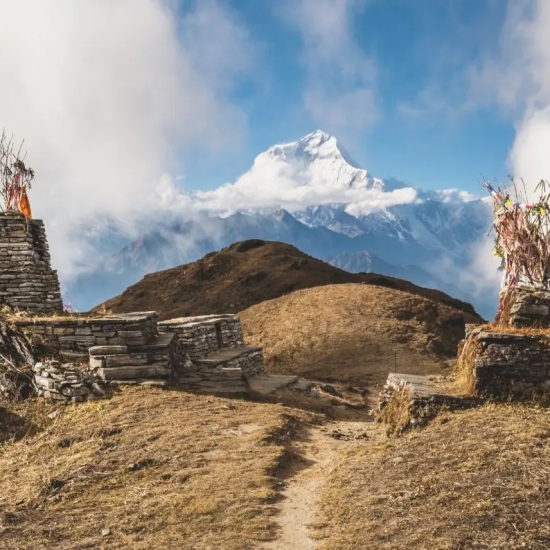
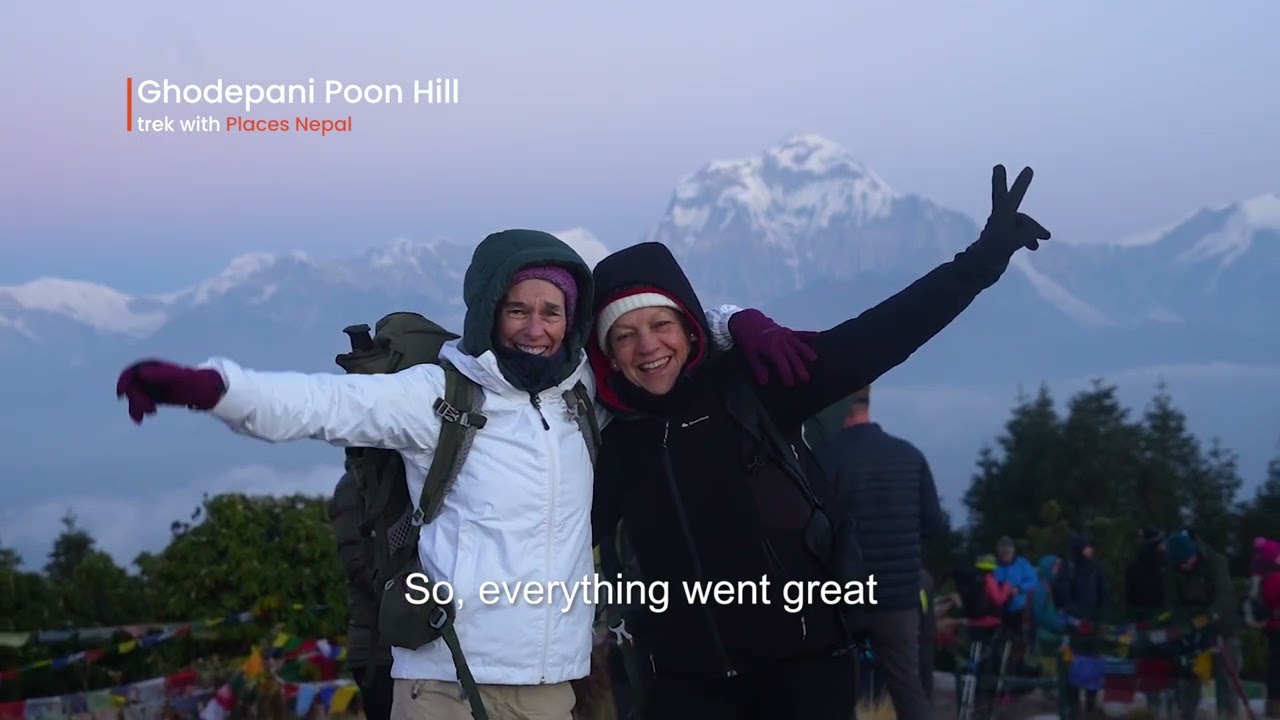
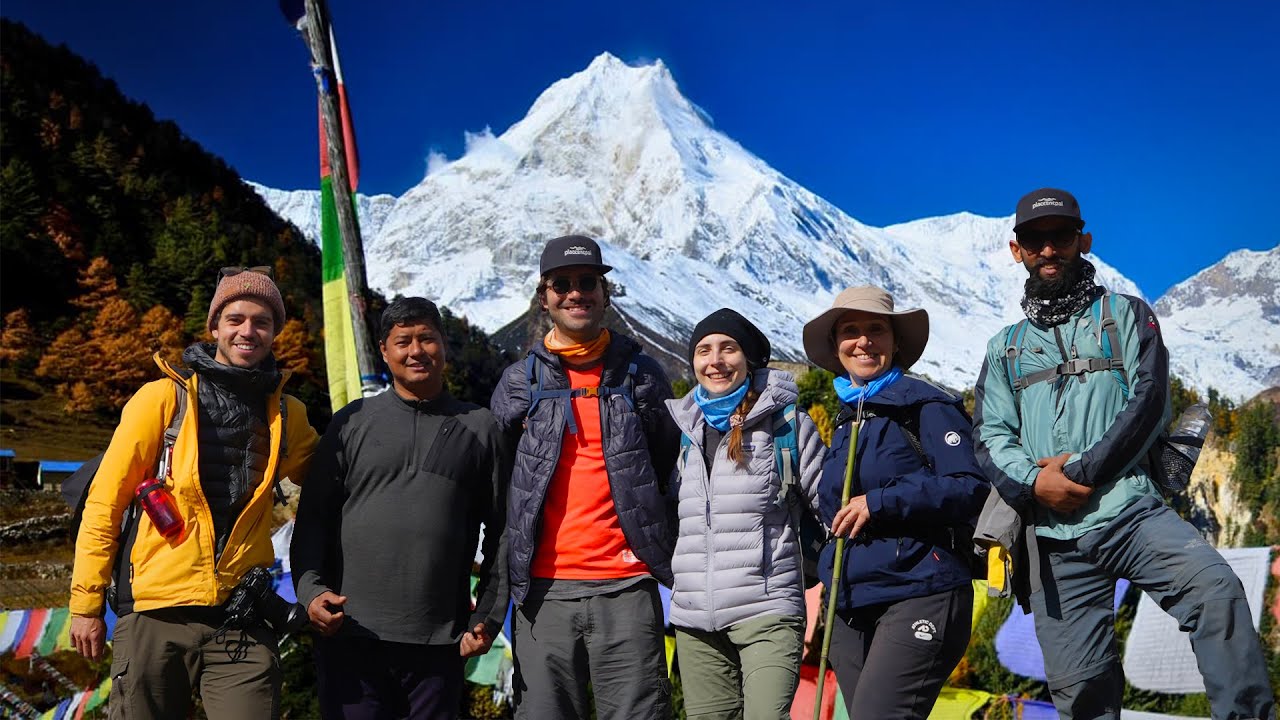
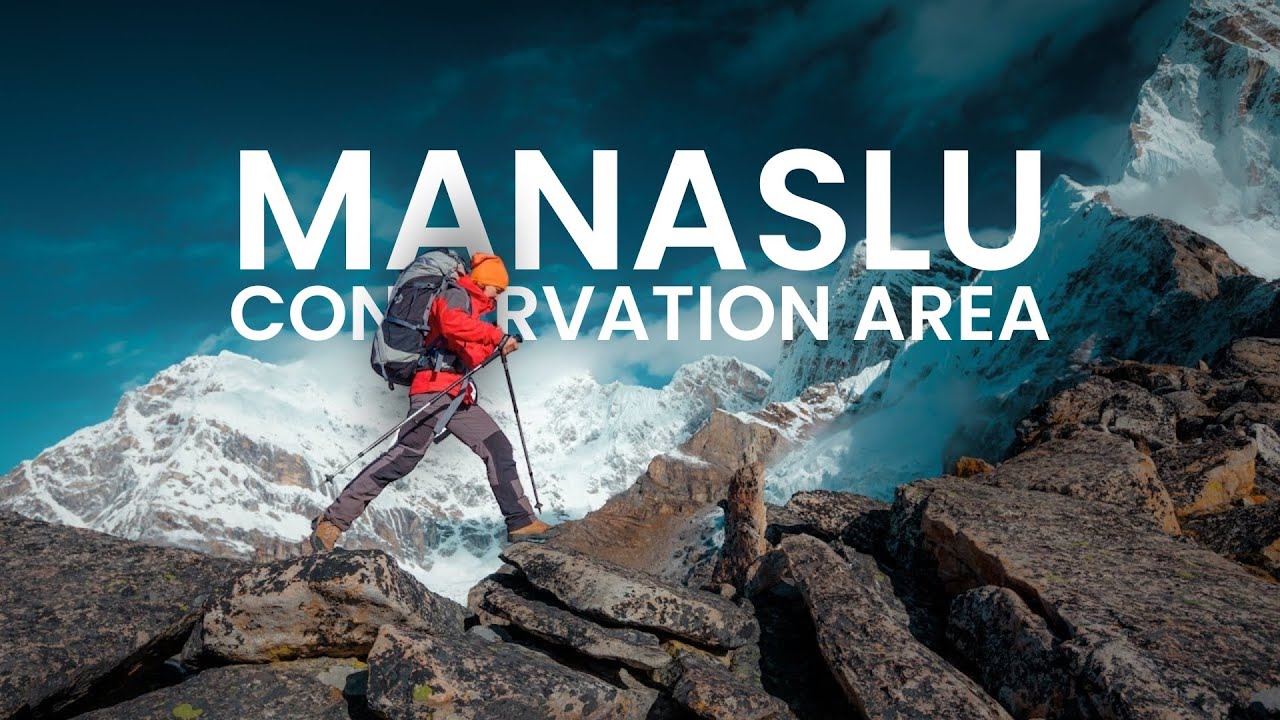
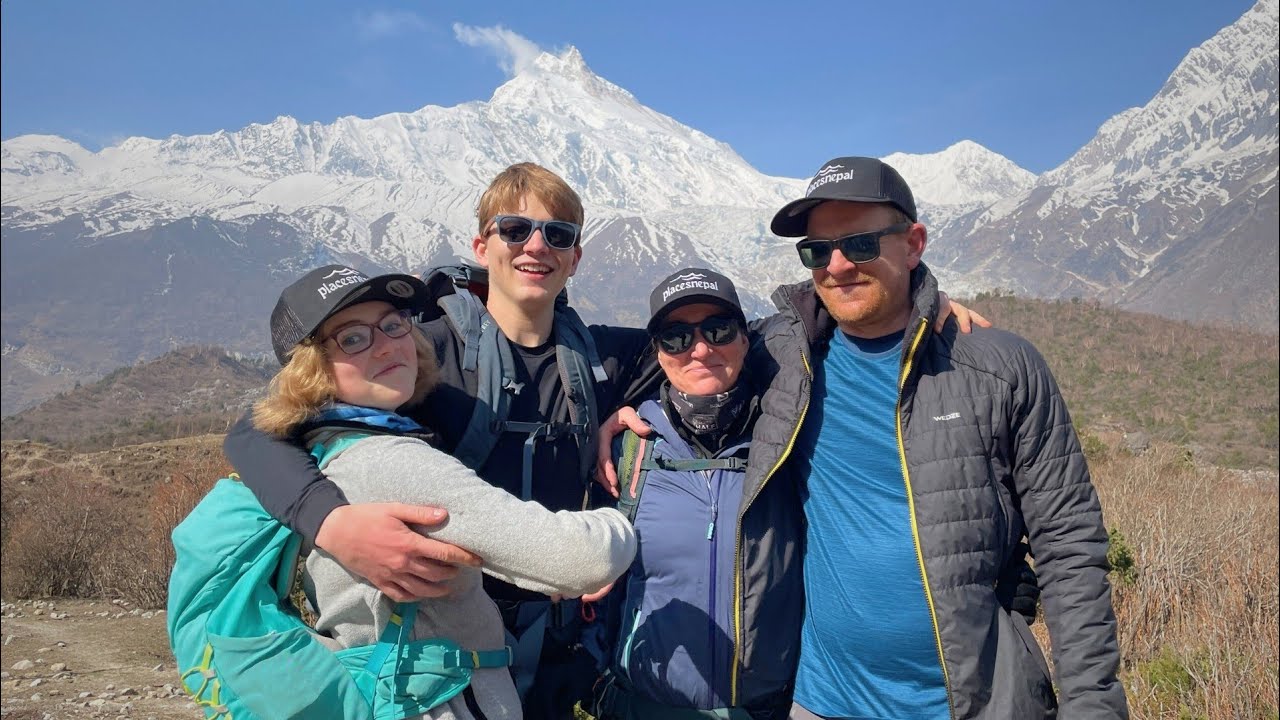
Photos from the Kanchenjunga Circuit Trek

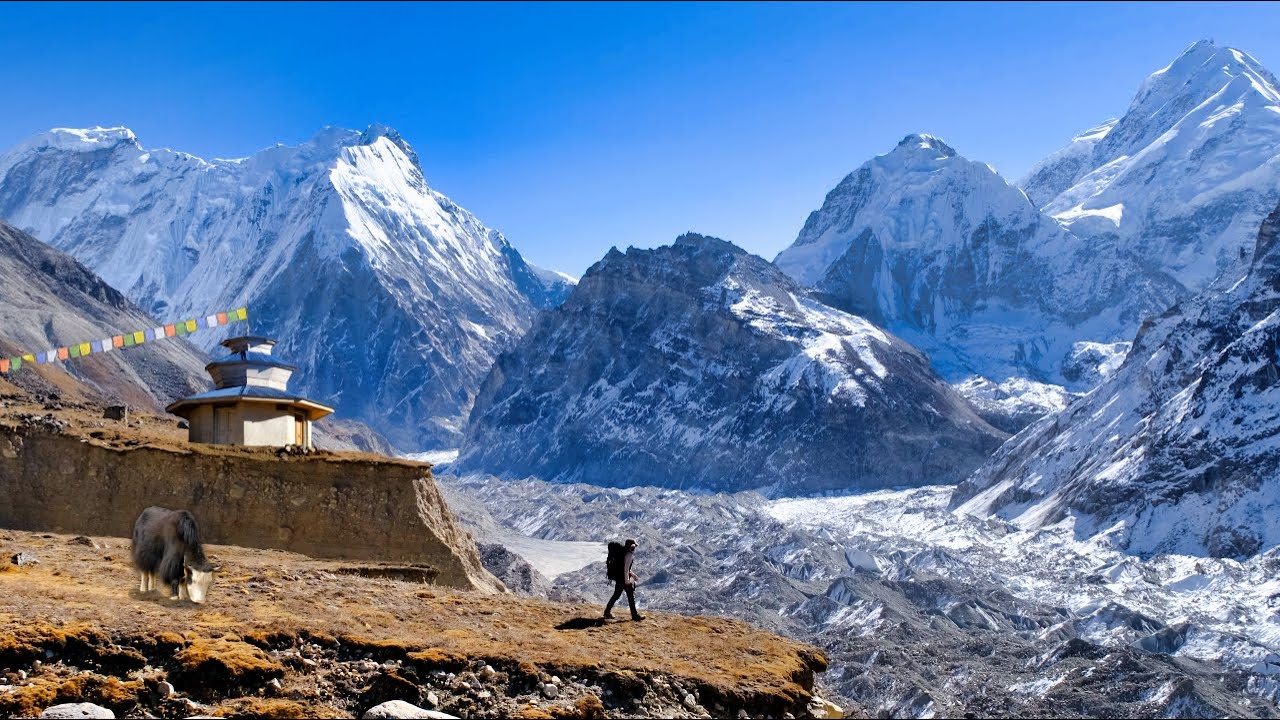
Experience one of Nepal’s most isolated and pristine trekking routes, far from the crowds of Everest and Annapurna, following a carefully planned kanchenjunga circuit trek itinerary.

Enjoy jaw-dropping panoramas of Mt. Kanchenjunga (8,586m), the world’s third-highest peak, along with surrounding Himalayan giants.

Interact with the Limbu, Rai, Sherpa, and Tibetan communities, each with their unique traditions, architecture, and warm hospitality.

Stay in rustic, locally-run teahouses that offer simple comforts and a chance to connect with local life.

Trek through subtropical forests, alpine meadows, glaciers, and high mountain passes all in one journey.

Key Information

Max. altitude

1,442 m / 4,731 ft

Accommodation

Guesthouse

Today, we take a domestic flight from Kathmandu to Bhadrapur, which takes around 45 to 50 minutes. From Bhadrapur, we continue our journey by jeep, passing through the scenic town of Kanyam. The drive along the Mechi Highway offers beautiful views of rolling tea gardens. Our destination for the day is Taplejung, the starting point of the Kanchenjunga Circuit Trek.

Max. altitude

1,660 m / 5,446 ft

Accommodation

Guesthouse

Meals

Breakfast

After breakfast, we’ll hop into a local jeep and begin our journey toward Sekathum. While many trekkers choose to hike this section, we’ve designed our itinerary to make the most of the available transport options. This allows us to reach Sekathum two days earlier than most. The drive takes us past several charming villages, including Mitlung, Chirwa, Thapethok, and Lelep, following the scenic Tamor River. Along the way, we’ll pass through the Kanchenjunga National Park entry point, where our permits will be checked before continuing to Sekathum.

Max. altitude

2,490 m / 8,169 ft

Accommodation

Teahouse

Meals

Breakfast

After two days of driving, we will kick off our trek with a hearty breakfast at Sekathum. The true Himalayan adventure begins as we start our hike along the Ghunsa Khola. The route takes us across several bridges, offering stunning views of the river below. As we walk, we'll pass through lush greenery and quaint villages such as Jonggim and Ghaiyabari. Trekkers can also refer to a Kanchenjunga circuit trek map to visualize the trail, key villages, and high passes along the way. The day’s trek will bring us to Amjilosa, where we'll rest and take in the beauty of the surroundings at an altitude of 2,490 meters.

Max. altitude

2,730 m / 8,957 ft

Accommodation

Teahouse

Meals

Breakfast

After breakfast in Amjilosa, we begin our trek towards Gyabla, also known as Kyapra. The trail today winds through a dense forest, rich with alpine vegetation and far from any human settlements. With a bit of luck, we might catch a glimpse of the elusive Red Panda, a rare highlight of the Kanchenjunga region.

As we continue on an uphill path, the forest clears to reveal stunning views of the surrounding mountains and cascading waterfalls. The gradual ascent brings us to the peaceful village of Gyabla, perched at an altitude of 2,730 meters. It's a quiet and scenic stop to rest and prepare for the next leg of the journey.

Max. altitude

3,595 m / 11,795 ft

Accommodation

Teahouse

Meals

Breakfast

Leaving Gyabla behind, we continue our journey through beautiful woodlands filled with a wide variety of plants and wildlife. The trail gradually opens up as we reach Phale, a small village with strong Tibetan influences and welcoming locals.

From Phale, we follow a steady path alongside the Ghunsa Khola (river), eventually arriving at the charming village of Ghunsa at 3,595 meters. Surrounded by forested hills and prayer flags, Ghunsa is a common stop for acclimatization. However, in our itinerary, we plan to acclimatize at Khambachen, further up the trail.

Max. altitude

4,050 m / 13,287 ft

Accommodation

Teahouse

Meals

Breakfast

After breakfast in Ghunsa, we begin a gradual uphill trek through open pine forests, with chances to spot blue sheep—and if lucky, the rare snow leopard. The trail passes through sections prone to landslides, so we proceed with care. As we gain altitude, the landscape opens up to stunning views of Mt. Jannu and vast green glacier valleys. After a scenic and rewarding walk, we arrive at Khambachen, a peaceful village at 4,050 meters.

Max. altitude

4 m / 13 ft

Accommodation

Teahouse

Meals

Breakfast

After several days of trekking, we take a well-deserved rest day in Khambachen to help our bodies adjust to the high altitude. To support acclimatization, we’ll go on a short hike to nearby glaciers, scenic viewpoints, and glacial lakes. Khambachen is a popular stop for trekkers going to and returning from the Kanchenjunga North Base Camp, so it's a great place to meet fellow adventurers and exchange trail stories.

Max. altitude

4,785 m / 15,699 ft

Accommodation

Teahouse

Meals

Breakfast

Today, we continue along the trail that leads toward the Kanchenjunga Glacier. During the main trekking season, we’ll likely meet other trekkers either heading to or returning from the North Base Camp. The route takes us past Ramdang and the small Ramdang Monastery, offering a peaceful cultural stop. As we move ahead, the trail becomes more challenging, bringing us to the junction of the Lhonak and Kanchenjunga glaciers. After a steady walk through this rugged and remote terrain, we arrive at the small settlement of Lhonak, where a few teahouses provide basic accommodation.

Max. altitude

5,143 m / 16,873 ft

Accommodation

Teahouse

Meals

Breakfast

After breakfast, we begin our hike toward the Kanchenjunga North Base Camp, also known as Pang Pema. The trail gradually climbs along the lateral moraines of the Kanchenjunga Glacier. As we ascend, the dramatic mountain scenery unfolds around us. Following this well-planned route is a highlight of the Kanchenjunga base camp circuit trek, allowing trekkers to experience the full range of high Himalayan landscapes, from glaciers to prayer-flagged ridges.After several days of trekking, reaching the base camp is a moment of true reward—colorful prayer flags flutter in the wind, and the majestic view of Mt. Kanchenjunga, the world’s third-highest mountain, rises above the glacier in breathtaking silence. After soaking in the views and capturing memories, we descend back to Lhonak for the night.

Max. altitude

3,595 m / 11,795 ft

Accommodation

Teahouse

Meals

Breakfast

After a memorable day at the Kanchenjunga Base Camp, we begin retracing our steps back toward Ghunsa. As we descend, the magnificent views of the Himalayas remain with us, offering a different perspective on the landscape. The trail takes us past stone huts, rocky fields, and sections prone to rockfalls, reminding us of the wild and remote nature of the region. With each step, the trail etches lasting memories of towering peaks and untouched beauty. By late afternoon, we arrive back at Ghunsa for a warm meal and restful night.

Max. altitude

4,290 m / 14,075 ft

Accommodation

Teahouse

Meals

Breakfast

Leaving the main trail to Gyabla behind, we take a quieter and more remote route toward Sele Le. The path leads us through dense forests where lucky trekkers might spot elusive snow leopards. This area is sparsely inhabited, with only a few teahouses that usually operate during the main trekking season. In winter or during heavy snowfall, these teahouses often remain closed, and there are no alternate accommodations available between here and Tseram. However, if the weather is favorable and the passes are open, it's possible to trek directly to Tseram in one long day, skipping an overnight at Sele Le.

Max. altitude

4,645 m / 15,240 ft

Accommodation

Teahouse

Meals

Breakfast

From Sele Le, we begin our climb toward three stunning high-altitude passes. First, we reach Sinion La at 4,440 meters, followed by Mirgin La at 4,480 meters, and finally Sinelapche Bhanjyang at 4,645 meters. These passes offer some of the most breathtaking panoramic views on the entire trek, including Mt. Jannu, Mt. Everest, Makalu, Baruntse, Chamlang, and of course, Kanchenjunga itself. After enjoying the incredible scenery, we begin our descent to the small settlement of Tseram, where we rest for the night.

Max. altitude

4,610 m / 15,125 ft

Accommodation

Teahouse

Meals

Breakfast

After an early breakfast in Tseram, we begin our hike toward the Yalung Glacier, moving closer to the towering peaks of the Kanchenjunga range. This segment is one of the highlights of the Kanchenjunga South Base Camp Trek, offering stunning landscapes and pristine high-altitude trails. Along the way, we’re rewarded with amazing views of Mt. Rathong (6,682m) and Mt. Kabru (7,412m). We stop for lunch at Ramche, a peaceful spot surrounded by dramatic mountain scenery.

From here, we make our way to Oktang (also known as Okhordung), the viewpoint of the Kanchenjunga South Base Camp. Standing here, we get an up-close look at the three summits of Mt. Kanchenjunga—8,420m, 8,586m (the main peak), and 8,474m—along with other majestic Himalayan giants. After soaking in these stunning views from one of the least-trodden trails in Nepal, we retrace our steps and return to Tseram for the night.

Max. altitude

2,080 m / 6,824 ft

Accommodation

Teahouse

Meals

Breakfast

As we leave behind the snow-capped peaks of Kanchenjunga, the journey through peaceful rhododendron forests brings a sense of tranquility. Today, we descend gradually toward our destination, passing through the scenic Simbuwa Khola, with stunning views of the surrounding Himalayan range. The lush forests and serene atmosphere offer a relaxing break from the higher-altitude trekking. After a day of beautiful landscapes, we reach Torongding, where we will stay overnight.

Max. altitude

1,980 m / 6,496 ft

Accommodation

Teahouse

Meals

Breakfast

Leaving Torongding, we continue our descent toward Amji Khola, passing through Lasiya/Lamite Bhanjyang (3,415m) and Dhupi Bhanjyang (2,665m). The trail takes us through a steep, rugged area, offering stunning views of the surrounding landscapes. As we make our way down, we finally reach Yamphudin village, where we’ll stop for the night. In Yamphudin, our permits are checked at the Kanchenjunga Conservation Area checkpost, ensuring that trekkers who started from the Kanchenjunga South Base Camp are properly registered.

Max. altitude

1,800 m / 5,906 ft

Accommodation

Teahouse

Meals

Breakfast

    After a hearty breakfast in Yamphudin (altitude: 1,980m / 6,496ft), we begin our journey through stunning landscapes, following the trails along the Kabeli Khola. The trek today is relatively easy as we descend towards the lowlands. The trek duration is approximately 4-5 hours, giving us plenty of time to enjoy the surroundings. We then take a scenic drive to Kanyam (altitude: 1,300m / 4,265ft), a charming area renowned for its tea gardens. Along the way, you'll pass by lush cardamom and tea plantations, offering a refreshing change of scenery. As we enter the more fertile lowlands, the surroundings contrast with the high-altitude terrains we've just left behind. Kanyam is a popular spot among local tourists, and its peaceful tea gardens provide a perfect setting to unwind and reflect on the trek.

    Max. altitude

    1,350 m / 4,429 ft

    Meals

    Breakfast

    After breakfast, we’ll explore the scenic tea cultivation areas in Kanyam, Ilam, which is located at an altitude of around 1,800m / 5,905ft. The lush greenery and expansive tea gardens offer a peaceful end to our high-altitude trek. After exploring for a while, we’ll drive for approximately 2-3 hours to Bhadrapur (altitude: 93m / 305ft).

    From Bhadrapur, we’ll take a 45 to 50-minute flight back to Kathmandu (altitude: 1,300m / 4,265ft) in the late afternoon. Once we arrive, you’ll be transferred to the hotel of your choice to rest and reflect on your amazing adventure in the Kanchenjunga region.

    ⇀ Starts

    Tribhuvan International Airport (KTM)

    ↼ Ends

    Tribhuvan International Airport (KTM)


    The Kanchenjunga base camp circuit trek starts and ends in Kathmandu, the capital of Nepal. While the trail takes you into the country's remote northeast, the journey to get there is part of the adventure.

    Step 1: Fly to Bhadrapur

    From Kathmandu, take a 50-minute domestic flight to Bhadrapur—a town in southeast Nepal. This is the nearest airport to the Kanchenjunga region.

    Step 2: Drive to Taplejung

    From Bhadrapur, you’ll drive 7–8 hours to Taplejung, a beautiful hill town. You’ll stay overnight here to break the journey.

    Step 3: Drive to Taplejung

    Next, take a 7–8 hour drive to Taplejung (1,820m), the starting point of your trek. This drive offers great views of the hills and farmlands.

    Trekking Route

    The trek officially begins from Sekathum and continues through remote villages and high-altitude valleys, visiting both the North and South Base Camps of Mt. Kanchenjunga (8,586m). The trail reaches up to 4,785m (15,698 ft).

    Return Journey

    After 16 days of trekking, you’ll reach Kanyam, where a vehicle will pick you up for the 5-6 hour drive back to Bhadrapur. From there, you’ll fly back to Kathmandu.


    Places Nepal arranges all transportation, flights, and logistics to make your journey smooth and worry-free.


    Kanchenjunga Circuit Trek
    Elevation Chart
    Day 1-16
    Teahouse/Guesthouse
    Breakfast
    Lunch
    Dinner
    Day 17
    Breakfast
    Lunch
    Dinner

    On this trek, we provide breakfast daily, but lunch and dinner are not included. After years of experience in the Himalayas, we’ve found that trekkers have different tastes, dietary needs, and appetites, especially at high altitudes. Some prefer lighter meals, others need hearty food to fuel long trekking days. That’s why we give you the freedom to choose your own meals along the trail.

    Accommodation on the Trail

    The Kanchenjunga Circuit is one of the more remote and less-traveled trekking routes in Nepal, so the accommodation is basic but comfortable. You’ll be staying in local teahouses—simple, family-run lodges that offer a bed, meals, and a place to rest.

    • Rooms: Expect basic twin-sharing rooms with foam mattresses and blankets. You may want to bring your own sleeping bag for extra warmth.

    • Bathrooms: Most teahouses have shared toilets, usually squat-style, and only a few offer hot showers (at an additional cost).

    • Electricity & Charging: Power is available in some villages, but can be unreliable. Charging your devices may cost $2–$5 per hour, so bring a power bank or solar charger if you can.

    • Wi-Fi: Internet is rare to non-existent on the trail. This is a great chance to disconnect and enjoy nature.

    While accommodations are more limited compared to popular treks like Everest or Annapurna, they are run by friendly locals and provide a unique chance to experience life in the mountains.

    Meals During the Trek

    We provide breakfast every morning, but lunch and dinner are up to you. This allows you to eat what you enjoy and spend based on your appetite and budget. Your guide will help recommend safe and clean places to eat at every stop.

    Typical food options at teahouses include:

    • Dal Bhat – Nepal’s classic dish of rice, lentil soup, and vegetables. Unlimited refills are often included.

    • Noodles & Fried Rice – Quick, filling meals with eggs or vegetables.

    • Tibetan Bread & Pancakes – Popular breakfast items with jam, honey, or eggs.

    • Soups & Momos – Garlic soup (great for altitude) and steamed dumplings are trail favorites.

    Vegetarian options are available everywhere, and teahouse kitchens are usually happy to adjust meals to suit vegan, gluten-free, or other dietary needs.

    What to Expect

    • Food is simple and mostly vegetarian (due to limited supply and hygiene).

    • Prices increase with altitude as porters or mules carry supplies.

    • Bring some cash (about $500–600 USD in Nepali rupees) to cover all your food, snacks, hot drinks, and water for the 22-day trek.

    • Snacks like energy bars, chocolate, and nuts are limited in remote areas, so if you need extras, bring some from Kathmandu.

    Though rustic, the food and accommodation on the Kanchenjunga Circuit are part of what makes the journey authentic. You’ll experience true Himalayan hospitality while enjoying warm meals after long trekking days.

    This trek is rated Challenging.


    The Kanchenjunga Circuit Trek is rated challenging and is best suited for trekkers with good fitness, strong determination, and previous trekking experience at altitude. This is one of the most remote treks in Nepal, covering long walking days, steep climbs and descents, and high-altitude passes.

    What Makes It Challenging?

    • Altitude: At Pang Pema, the North Base Camp of Kanchenjunga, you’ll reach elevations as high as 5,140 meters (16,864 feet). Trekkers must know the risk of altitude sickness, and proper acclimatization days are built into the itinerary.

    • Trekking Hours: Expect to walk 6–8 hours daily through rough terrain, river crossings, forested trails, and high mountain paths.

    • Remote Location: Unlike Everest or Annapurna, there are fewer teahouses, limited supplies, and no access to roadways for most of the trail. This means you need to be self-sufficient and mentally prepared.

    • Unpredictable Weather: The eastern Himalayas are known for changing weather conditions, especially at high passes.

    Who Is This Trek For?

    • Fit and adventurous trekkers who’ve done multi-day hikes or high-altitude treks before

    • People who enjoy solitude and nature, and are mentally prepared for basic facilities

    • Trekkers willing to train ahead of the journey to handle the physical demands

    Do You Need to Be an Expert?

    Not necessarily. You don’t have to be a mountaineer, but you should be physically fit and mentally strong. Good preparation, proper gear, and Places Nepal’s well-paced itinerary are key to enjoying this trek.

    We recommend building your stamina and endurance through hiking, cardio exercises, or hill climbing at least 2–3 months before your trek.

    The Kanchenjunga region sits in eastern Nepal, close to the Indian border, and has unique weather patterns compared to other trekking areas. It's wetter and greener, which means lush forests but also a higher chance of rain.

    Here’s a breakdown of what to expect during each trekking season:

    Spring (March to May) – Best Time to Trek

    • Weather: Clear skies, mild days, and cool nights.

    • Temperature:

      • Lower regions: 10–20°C (50–68°F)

      • Higher altitudes: -5 to 10°C (23–50°F)

    • Highlights: Blooming rhododendrons, green valleys, and excellent mountain views. One of the most popular seasons to trek.

    Autumn (September to November) – Another Great Time

    • Weather: Stable weather, clear skies, and low rainfall.

    • Temperature:

      • Lower regions: 10–18°C (50–64°F)

      • Higher altitudes: -8 to 8°C (17–46°F)

    • Highlights: Crystal-clear mountain views, fewer leeches, and pleasant trekking conditions. Trails are dry and safe.

    Winter (December to February) – For the Brave

    • Weather: Cold and snowy at high altitudes, with shorter days.

    • Temperature:

      • Lower regions: 0–10°C (32–50°F)

      • Higher altitudes: -15 to -5°C (5 to 23°F)

    • Challenges: Some high passes may be snow-covered or blocked. Requires proper cold-weather gear and experience.

    Monsoon (June to August) – Not Recommended

    • Weather: Heavy rain, cloud cover, and slippery trails.

    • Temperature:

      • Lower regions: 15–25°C (59–77°F)

      • Higher altitudes: 5–15°C (41–59°F)

    • Risks: Landslides, leeches, and poor visibility. Flights may be delayed or canceled due to weather.

    Tips:

      Pack layers to handle changing conditions, especially at high altitudes. Good rain gear is essential, even in spring or autumn. Always follow your guide’s advice if the weather becomes unpredictable.

      • Airport Pickup and drop service during both international and domestic flight
      • All necessary trekking permits 
      • All accommodations during the trek
      • All breakfasts during the trek
      • Government-licensed and first aid-trained English-speaking trekking guide
      • Porter (1 Porter for 2 trekkers)
      • Salary, food, equipment, and insurance of the trekking staff
      • Sharing Jeep / Bus (Bhadrapur - Illam / Taplejung - Sekathum and Yamphudin - Kanyam - Bhadrapur airport)
      • Flight From Kathmandu - Bhadrapur, and Bhadrapur - Kathmandu
      • First aid kit with basic medication
      • T-shirt, Trekking Map, Duffle bag
      • Farewell dinner in a fine restaurant
      • Official expenses, all local and government taxes, and VAT.
      • International flight tickets and Nepal entry visa
      • Travel and health Insurance that covers rescues and evacuations
      • Personal expenses.
      • Hotels in Kathmandu before or after the trek
      • Lunch and Dinner during the trek
      • Tips for the trek guide and porter (Expected, not mandatory

      This trek involves walking 5 to 8 hours daily for over 14 days, often at altitudes over 4,000 meters. You’ll face steep climbs, rocky paths, and long descents—sometimes at high altitude where breathing becomes harder. Good fitness makes it all easier and more enjoyable.

      Pre-Trek Training Plan (Start at Least 8 Weeks Before Your Trip)

      1. Cardiovascular Training

      Build your endurance with exercises like:

      • Hiking with a backpack (start with short hikes and gradually add weight)

      • Jogging or brisk walking

      • Cycling

      • Stair climbing

      Aim for 30–60 minutes, 4 to 5 days a week.

      2. Leg Strength & Core Training

      Trekking demands strong legs and core muscles for balance and support.

      • Squats, lunges, and step-ups (add weights as you improve)

      • Planks and core exercises for stability

      • Do strength training 2 to 3 times per week

      3. Practice with a Loaded Pack

      Get used to carrying a daypack with 5–8 kg (10–18 lbs). Hike with your pack at least once a week. This prepares your back, shoulders, and knees for the real trail.

      4. Flexibility & Recovery

      • Stretch daily or try yoga to prevent stiffness.

      • Include rest days to let your body recover.

      Altitude Preparation

      You can’t “train” for altitude at sea level, but you can:

      • Improve lung capacity through cardio workouts

      • Learn to pace yourself and hydrate well

      • Consider talking to your doctor about altitude sickness medication

      Mental Preparation

      This trek isn’t just physical—it’s a mental game too. You’ll be far from comforts, in a remote part of Nepal. Build mental strength by:

      • Doing long hikes in tough weather

      • Pushing yourself on tired days

      • Practicing mindfulness or breathing techniques

      Final Tips

      Don’t wait until the last minute—start training early. If you're over 40 or have health issues, consult your doctor before starting any program. The fitter you are, the more you'll enjoy the trek.

      Luggage & Porter Service

      • Duffel bag (~60–80 L): For most gear; one bag per trekker carried by porters.
      • Weight allocation: Pack duffel up to 20 kg—ensure personal kit in daypack stays below 5 kg.
      • Bag labeling: Use names/tags on all luggage for easy identification at lodges.
      • Waterproof external cover: To protect gear from wet trail conditions.

      Packing Tips for Kanchenjunga Trek

      • Layer Efficiently: Because temperatures vary dramatically—from ~25 °C at low elevations to ‑15 °C at Lhonak.
      • Avoid Cotton Clothing: It traps moisture. Choose synthetic or merino fabrics instead.
      • Break-in Boots Early: Prevent blisters and discomfort on steep trails.
      • Weigh Your Bags: Stay within the 20 kg duffel and 5 kg daypack limit.
      • Organize Gear: Use dry sacks to separate clean and dirty clothing, electronics, and first-aid.
      • Acclimatize Properly: Always hydrate well and ascend gradually—symptoms can worsen rapidly at altitude.
      • Rent High‑Use Items Locally, such as:
        • Sleeping bags rated to ­‑15 °C
        • Down jackets and gaiters
        • Trekking poles and crampons
      Places Nepal can assist with rentals in Kathmandu or given logistics in taplejung region.

      General Gear

      • Daypack (~40 L, max 5 kg): For snacks, camera, water, jacket, and small first aid.
      • Liner (fleece or silk): For added warmth and cleanliness.
      • Sleeping Mat: Foam mat provided; consider an inflatable mat for extra comfort.
      • Trekking Poles (adjustable, flick-lock preferred): Mandatory for uneven terrain and river crossings.
      • Headlamp with spare batteries: Essential in early starts or low-light lodge areas.
      • Dry Bags / Stuff Sacks: For waterproof organization.
      • Backpack Rain Cover: Keeps gear dry during rain or snow.
      • Moisture-wicking thermal top and bottom sets (2).
      • Fleece or synthetic leggings (camp wear).
      • Long-sleeve trekking shirts (2–3, avoid cotton).
      • Mid-weight fleece or synthetic jacket (e.g. PrimaLoft).
      • Soft-shell trousers for wind/light rain protection.
      • Lightweight down jacket for summit pushes/very cold nights.
      • Waterproof and windproof shell jacket and trousers (Gore‑Tex or equivalent).
      • Heavy fleece or puffy jacket for high-altitude cold.

      Additional Clothing

      • Trekking trousers (2), convertible zip-offs recommended.
      • Quick-dry T‑shirts (2).
      • Moisture-wicking underwear (3–4 pairs).
      • Sports bra (for women trekkers).
      • Sun hat with brim.
      • Warm beanie or wool hat.
      • Buff or scarf for sun and wind protection.
      • Lightweight thermal sleepwear for teahouses.
      • Trekking boots: Waterproof, ankle support, and worn-in well before trek.
      • Camp shoes / trail sandals: For lodge areas and rest time.
      • Enclosed sandals: Essential for safe river crossings.
      • Trekking socks: Wool or technical fabric (3–4 pairs).
      • Liner socks (optional) for blister prevention.
      • Gloves:
        • Lightweight fleece liners.
        • Waterproof, insulated gloves or mittens for extreme cold.
      • Gaiters (knee-high): To keep snow or debris out of boots.
      • Traction devices: Crampons or microspikes as required by season.
      • Climbing helmet (optional): Recommended for steep, unstable terrain.


      • Biodegradable soap and shampoo.
      • Toothbrush, toothpaste.
      • Quick-dry towel.
      • Toilet paper (recommended to carry rolls, though provided en route).
      • Hand sanitizer and wet wipes.
      • Lip balm and sunscreen (high SPF).
      • Feminine hygiene products (if needed).
      • Nail clipper, small mirror.
      • Earplugs (for shared lodge sleeping).
      • Baby wipes (optional but convenient).

      Check the group kit is stocked, but bring your personal items:

      • Prescription medication (with doctor’s note).
      • Diamox for altitude (doctor’s approval needed).
      • Anti-inflammatory and pain relief: ibuprofen, paracetamol.
      • Blister plasters, zinc oxide tape, Compeed.
      • Rehydration salts (e.g., Dioralyte).
      • Anti-diarrheal medication.
      • Throat lozenges.
      • Bandaids, antiseptic wipes.


      • Sunglasses: Category 4 with side shields, necessary at high altitudes.
      • Power bank (10 000 mAh+).
      • Charging cables, Nepal power adapter (2‑pin Type C).
      • Snacks: nuts, energy bars, dried fruit.
      • Camera, extra batteries, memory cards.
      • Notepad and pen.
      • Book or cards for lodge downtime.
      • Lightweight lock for duffel or daypack.
      • Duct tape or repair kit for gear.
      • Travel insurance certificates, passport copy.
      • Small amount of cash (ATMs are not available in high-altitude areas).

      The Kanchenjunga Circuit Trek is epic in scale, rugged terrain, and variation in climate. This comprehensive packing guide will help ensure you're prepared and confident from trailhead to base camp. Want a downloadable PDF checklist or infographic for your clients? Just ask!

      Safe trekking and enjoy the wild beauty of Kanchenjunga.

      20 days of pure wilderness.

      20 days of pure wilderness. Kanchenjunga north and south base camps both incredible, and the cultural mix (Limbu, Rai, Tibetan) is fascinating. Saw exactly 12 other trekkers total. Camping the whole way — felt like an expedition.

      N
      Nina
      Norway

      Remote and beautiful

      Remote and beautiful, but the trail is poorly marked in places and altitude gain is relentless. Sele La pass (4,480 m) in snow was tough. Bring a GPS track. Worth it for the solitude.

      S
      Sanjay
      India

      The loneliest, most beautiful thing I have ever done

      I'll be honest — I almost didn't go. The permit costs, the remoteness, the sheer length of the circuit put me off for two years. And then I just booked it, and I am so glad I did. Places Nepal Treks handled every single logistic before I even landed in Kathmandu. My guide Pemba Sherpa was waiting at the airport with a handwritten sign and a genuinely warm smile, and that set the tone for the next three weeks. The tea houses in Ghunsa are unlike anything on the Everest corridor; fewer people, more silence, cleaner air. The crossing at Mirgin La in fresh snow almost made me cry. Pemba's route-reading instincts on that day were extraordinary. Dawa carried my bag like it weighed nothing and kept asking if I needed extra biscuits. I'm a solo trekker from Bavaria. I've done the Annapurna Circuit. Kanchenjunga is in a completely different league.

      L
      Lukas Brandt
      Germany

      We got engaged at Pangpema base camp - thanks Pemba!!

      Okay so this is a slightly emotional review. My partner Ciarán had secretly arranged with our guide Pemba Tamang that he would disappear around a boulder at Pangpema so Ciarán could propose against the backdrop of Kanchenjunga North face. I had NO idea. Places Nepal Treks were apparently in on it too. the team had packed a small bottle of local raksi and some dried apricots in a special bag. The whole thing was perfectly orchestrated. But beyond the very personal bits — the trek itself is staggering. The rhododendron forests below Tseram in late October were absolutely carpeted with colour. Our cook Kaji made dal bhat that I genuinely dream about. I'm serious. I dream about Kaji's cooking. This company, this trail, this guide, this cook — all of it was flawless. Book with Places Nepal Treks and do NOT hesitate.

      A
      Aoife Ní Mhurchú
      Ireland

      Six engineers from Stockholm, zero complaints

      We are six friends from Stockholm, engineers mostly, average age 38. We are very used to planning things ourselves and being a bit skeptical about tour operators. Places Nepal Treks changed that perception completely. The pre-trip communication was meticulous, gear lists, acclimatization schedules, permit timelines, all delivered weeks before we flew. Our lead guide was Nima Gurung, and the man was a walking encyclopedia of the Kanchenjunga region. He knew the name of every ridge, every glacier, every local family we passed. Assistant guide Sonam kept the pace at the back and made sure nobody got left behind. On day 14 one of our group developed a knee issue; Sonam reorganised the day's stages without any fuss at all. Felt incredibly looked after. The scenery from Oktang looking across at the south face genuinely silenced six otherwise very chatty Swedes.

      S
      Sven Lindqvist
      Sweden

      Seule et jamais seule — alone but never lonely

      I travel alone always. I am 44, I live in Lyon, I have trekked across four continents. Kanchenjunga was my most ambitious challenge and the most richly rewarding. Places Nepal Treks had been recommended by a friend and I was not disappointed, from the first WhatsApp message I sent them to the moment my porter Mingma set down my bag at the airport taxi rank, every interaction was thoughtful and human. My guide Mangal was funny, patient, and deeply knowledgeable. He taught me basic Nepali phrases every morning over tea. He pointed out medicinal plants I would never have noticed. He also had an infuriating habit of being completely right about the weather every single day. The views from Sele La pass broke my heart open in the best possible way. I am already emailing Places Nepal Treks about the Dolpo trek for 2027.

      M
      Margot Delacroix
      France

      Two weeks, two base camps, one life-changing trip

      My wife Hanna and I have been doing one major trek every two years since we married in 2012. This was number seven and far and away the best. The circuit hitting BOTH the north and south base camps of Kanchenjunga is something almost no other trail in Nepal offers. Places Nepal Treks designed a custom itinerary for us that added two rest days we didn't know we'd need but absolutely did. Guide Pemba Tamang was calm, precise, and very funny when Hanna started arguing with him about whether the col we could see was actually the col we needed to cross (she was wrong; he was right; he handled it beautifully). Cook Pasang's noodle soup on cold evenings at altitude was comfort food at its finest. The glacier moraines are otherworldly. Come here before the world discovers it.

      T
      Tobias Müller
      Austria

      10 lads. 22 days. The trip of our lives.

      Right so. Ten of us from Cork and Dublin, ranging from absolute mountain veterans to one lad who'd never walked more than five kilometres in his life (he finished it. He cried. We all cried). Places Nepal Treks managed to wrangle ten very different humans and keep the whole operation moving with the efficiency of a Swiss watch. Our head guide Mangal deserves a medal or at least a very good reference. Managing ten Irish lads at altitude, some of whom were carrying contraband Tayto crisps, is genuinely heroic. The camp setup at Lhonak was just stunning — tents perfectly placed, hot water bottles in the sleeping bags (!), tea ready on the hour. Support staff were incredible. The whole circuit changed how I think about mountains and about effort and about what your body can actually do.

      F
      Fionn MacAodha
      Ireland

      Tough, raw, incredibly beautiful — my kind of trek

      I want to be upfront: this is not a comfortable trek. The trail is often rough, the tea houses are basic by any objective measure, and the altitude hits hard if you push too fast. But that is part of why I loved it. I came here for wild and I got wild. Places Nepal Treks set my expectations properly in advance, they were honest about the difficulty and didn't oversell the comfort level. My guide Hari Rai was brilliant in a very quiet, steady way. Not the most talkative person, but his route decisions, his timing, his instinct for when I needed to push and when I needed to rest — all excellent. The Sinion La crossing was brutal in high wind. Hari's pacing saved me. I give four stars only because one tea house had a serious rodent situation that kept me awake for two nights. Not Places Nepal Treks' fault, just the reality of remote trekking.

      E
      Elsa Pettersson
      Sweden

      "Un circuit d'exception — a circuit of exception

      Our group of seven from Paris and Bordeaux chose Places Nepal Treks after reading extensively. We are experienced mountain people; several of us have trekked in Patagonia, Ladakh, the Atlas — but nothing prepared us for the scale and silence of the Kanchenjunga region. Guide Pasang Lama led our group with authority and warmth in equal measure. He would stop spontaneously to explain the Buddhist significance of a mani wall, or point out a Himalayan griffon circling overhead. These small moments accumulated into something very rich. The logistical coordination was flawless, every permit in order, every accommodation confirmed, every stage calibrated to our group's pace. At Pangpema, looking at the north face in morning light, our entire group fell silent for a long time. That silence says more than any written review.

      J
      Jean-Pierre Moreau
      France

      I cancelled Everest Base Camp and came here instead. Best decision ever.

      True story. I had a full Everest Base Camp trek booked, and three weeks before departure I read something about Kanchenjunga and switched. Everyone thought I was mad. Places Nepal Treks reorganised everything at relatively short notice and were completely unruffled about it. My guide was Ang Dorji, who I would describe as the most knowledgeable human being I have ever spent time with outdoors. The man has done this circuit more times than he can count and still finds things to notice, photograph, wonder at. He pointed out a snow leopard paw print on day 16 and my heart rate went to about 200. The north face of Kanchenjunga from Pangpema at sunrise is, I believe, one of the great sights available to humans on this planet. I am a Norwegian. I live near fjords. I do not say that lightly.

      B
      Björn Eriksson
      Norway

      Brought my teenage kids and it was the best thing we've ever done as a family

      My two kids, Roisín (17) and Cormac (15), were skeptical when I proposed this over Christmas. By day five on the trail they were racing ahead of me every morning. Places Nepal Treks was brilliant at calibrating an itinerary appropriate for teenagers , enough challenge to be exciting, enough buffer days to avoid it becoming a suffer-fest. Guide Pemba had the rare gift of being effortlessly cool to teenagers while also being completely professional. Cormac spent most of the middle section of the trek walking beside Dorje (our porter) learning words in Tibetan. Roisín kept a detailed journal and has already started a blog about it. The Selele pass crossing on a clear day is something they will carry for life. As a parent, watching your children discover what their bodies and minds can do at altitude — there's nothing like it. Places Nepal Treks made all of it possible.

      C
      Cathal O'Sullivan
      Ireland

      Honestly the most physically hard thing I've ever done, and I'd do it again tomorrow

      I'm 29, I run marathons, I thought I was fit. Kanchenjunga reminded me I am a humble beginner on this planet. The passes at 5000+ metres, back to back, are simply on another level. My boyfriend Marek and I had prepared well but still found days 17 and 18 very, very hard. What kept us going was guide Nuru Sherpa — steady, calm, always there. He had this way of reading our body language before we even said we were tired. He'd quietly shorten a stage or add a rest. We never had to ask. Places Nepal Treks had briefed him deeply on our fitness profiles beforehand, which I thought was really impressive — it felt personalised, not generic. The Yalung Glacier crossing is insane. The south face view is insane. Everything above 4500m on this route is just insane. In the best sense.

      K
      Klaudia Wróbel
      Poland

      We are a hiking club. We have high standards. These people exceeded them.

      Our club, based in Munich, has been doing international treks together for 22 years. We have very established opinions about what good guiding and logistics look like. Places Nepal Treks met our criteria comprehensively. Head guide Kipa Sherpa ran the operation like a professional expedition. Daily briefings, clear weather communication, contingency planning discussed openly. When the route over Mirgin La looked questionable on day 19, Kipa made the call to wait a day, explained his reasoning clearly, and was completely correct. The alternate half-day he organised instead — a side valley walk we hadn't planned — turned out to be the most beautiful section of the entire trip. His judgement and flexibility were exactly what experienced trekkers need. Kitchen staff under Ram produced hot, varied, and genuinely good food every day. This is how trekking should be done.

      D
      Dieter Hoffmann
      Germany

      A pilgrim's walk to the roof of everything

      I'm not really a trekker in the traditional sense. I'm a poet, I'm from Galway, and I came to Kanchenjunga because I needed something that would strip everything back. And it did. The sheer scale of this landscape silences the noise of ordinary life in a way that nothing I've experienced has managed before. Places Nepal Treks gave me a guide called Lhakpa Tamang, who is also, it turns out, something of a poet himself. He recited passages from Tibetan texts at various points on the route — at monasteries, at high passes, at riversides. It was one of the most unexpectedly rich experiences of my life. The trek is remote. The permits are complicated. The altitude is real. But Places Nepal Treks handle all the complexity so completely that all I had to do was walk and breathe and look. I came back changed. That's the only word.

      S
      Siobhán Gallagher
      Ireland

      Exceptional wilderness. Minor scheduling hiccup. Still absolutely worth it.

      Group of four from Copenhagen, all experienced Himalayan trekkers. The trek itself is extraordinary — the Kanchenjunga circuit makes the southern Annapurna circuit look like a theme park. Guide Gyalje Sherpa was excellent throughout, particularly on the high technical sections where route-finding really matters. The Places Nepal Treks team in Kathmandu was excellent on communication and the camp setups were always thoughtful. My only gripe — and the reason for four rather than five stars — was a one-day scheduling mix-up in Taplejung on the way back that meant we missed a connecting jeep. It was sorted within three hours and Places Nepal Treks were quick to acknowledge the error and fix it. How a company handles mistakes matters as much as whether they make them, and they handled it well. Would recommend without hesitation overall.

      H
      Henrik Larsson
      Denmark

      Three weeks off the grid, completely in safe hands

      My partner and I are both doctors. We spend our professional lives solving problems, managing risks, holding things together. What we wanted from this trek was to hand all of that over to someone else and just walk. Places Nepal Treks understood this instinctively — the briefing process was thorough, all health and medical contingencies were discussed in advance, the team was trained in wilderness first aid. Then they just ran the whole thing seamlessly and we got to be passengers in the best possible sense. Guide Tashi Sherpa had a first aid kit that would have impressed us professionally. The only medical issue was a mild headache for my partner at Ghunsa — Tashi was straight on it, adjusted pace, had everything needed, and we were moving again by the next morning without any drama. The Jannu massif from Lhonak deserves its own entire review.

      A
      Annelies van der Berg
      Netherlands

      Brutal, beautiful, and completely worth every blister

      I'll be straight with you: my feet were destroyed by day 12. Blisters under blisters. I have nobody to blame but my boot choice, which I was warned about. My guide Rinji Sherpa — who works with Places Nepal Treks and has been on this circuit more times than he remembers — sorted me out with moleskin from the team kit and suggested a technique for lacing that I genuinely can't believe I didn't know already. From day 13 onward, manageable. The point is: this team looks after you. They anticipate problems you haven't had yet. The circuit is extraordinary — the Yalung valley on a clear morning, the moraines, the absolute vertical walls of rock and ice above Ramche — I shot about 2000 photographs. I'm 31, solo, from Kraków, and this trip has permanently recalibrated what I understand the word 'mountain' to mean.

      M
      Marcin Kowalski
      Poland

      A masterclass in wilderness trekking, organised by genuine professionals

      Five of us from Zurich, Geneva, and Basel — all experienced in alpine environments but none of us with extensive Himalayan trekking backgrounds. We chose Places Nepal Treks on the recommendation of a guide we had used in Ladakh who spoke very highly of them. The pre-trek preparation process was extraordinarily detailed. Medical questionnaires, fitness assessments, gear audits, a video call with our lead guide Mangal Lama three weeks in advance. Lama's English was excellent and his character came through even on screen — authoritative, warm, and very funny. In person he was all of these things multiplied. The acclimatisation profile was perfectly designed — we had zero serious altitude issues across the group. The Oktang viewpoint on a cloudless morning is an image I will carry forever. Switzerland has mountains. I understand now that Nepal has something else entirely.

      B
      Brigitte Schmitt
      Switzerland

      My partner said one trek and now we've booked two more. Thanks a lot.

      This was supposed to be my girlfriend Sarah's one big adventure before she declared trekking 'done.' Ha. We did Kanchenjunga with Places Nepal Treks and she is now a full convert. Our guide Mingma Sherpa was partly responsible for this. He has a gift for making first-time serious trekkers feel capable and excited rather than scared. Every time Sarah flagged, Mingma had exactly the right thing to say — never patronising, never falsely cheerful, just genuinely encouraging and honest. The rest of the team — porter Dawa and cook Sonam — were brilliant too. Sonam's breakfast pancakes at Ghunsa became the subject of what I'm fairly sure was Sarah's first ever food photograph. The Kanchenjunga South base camp approach through the Yalung Glacier valley is one of the greatest walks I've ever done. Two more treks now booked. You're welcome, Places Nepal Treks.

      C
      Colm Brennan
      Sweden

      From Helsinki to the Himalayas, the circuit that broke all my records

      I have been trekking seriously for fifteen years. I keep a record of every major route I've completed with notes and ratings. Kanchenjunga Circuit is number one by a significant margin. I almost can't explain what separates it — the combination of wilderness, cultural texture, sheer mountain scale, and the complete absence of commercial trekking infrastructure creates something that feels genuinely earned. Places Nepal Treks handled the backend flawlessly. Guide Karma Tamang is one of the finest human beings I've shared time with outdoors. He carries this extraordinary combination of mountaineering competence and genuine intellectual curiosity. We talked about everything — Finnish forestry, Tibetan Buddhism, climate change at altitude, what ravens eat at 5000m. On the last morning, at the Mirgin La crossing in early light, he just pointed at Kanchenjunga without saying anything. That was enough.

      A
      Anders Nilsson
      Finland

      Our whole family's benchmark for everything that comes after

      We are a family of four from Bergen — myself, my husband Erik, and our sons Olav (19) and Lars (16). We have trekked together in Scandinavia and the Alps but never at anything approaching Himalayan scale. Places Nepal Treks spent a lot of time with us before the trip to make sure the pace and itinerary were genuinely appropriate for a mixed-ability family group. Lead guide Tenzin was the heartbeat of the whole experience. He adapted constantly, faster on easy days when the boys wanted to push, much slower and more educational on harder days. He taught Lars the names of every peak visible from Pangpema. Lars then tested Tenzin the next morning. Tenzin passed. We laughed for ten minutes. The cook team under Pemba Lama fed us like royalty every evening. This circuit, this company, this team — we talk about it every week at dinner.

      I
      Ingrid Halvorsen
      Norway

      The Kanchenjunga Circuit Trek is an epic adventure through eastern Nepal’s remote wilderness, guiding you to both the northern and southern base camps of Mt. Kanchenjunga (8,586m)—the world’s third-highest mountain. This route is physically demanding and best suited for trekkers with previous high-altitude experience.

      Compared to popular routes like the Annapurna and Manaslu Circuits, the Kanchenjunga trail is wilder, more remote, and significantly less crowded. If you’re looking for a raw Himalayan journey filled with solitude, natural beauty, and deep cultural encounters, this trek is the perfect fit.

      Beyond Kanchenjunga itself, this mountain region is home to an impressive collection of peaks: Yalung Kang (8,505m), Kambachen (7,903m), Jannu (7,710m), Jongsong (7,483m), Kabru (7,353m), Tent Peak (7,365m), and The Twins (7,350m), with many others exceeding 6,000m. The area also features five major glacier systems, with some flowing into Sikkim and others feeding Nepal’s Tamor River.

      What Makes the Kanchenjunga Circuit Trek Unique?

      Imagine waking up to the towering white flanks of the Yalung Glacier, surrounded by pristine wilderness. This trek is not only scenic but steeped in myth—locals often share tales of the elusive Yeti believed to roam the region. The atmosphere here is truly untouched.

      You'll enjoy views of iconic peaks like Mt. Jannu, Tent Peak, and Kambachen—and on a clear day, you may even glimpse Mt. Everest, Makalu, and Lhotse in the distance. The experience is unforgettable, both in landscape and cultural richness.

      What a Typical Day Looks Like

      On this teahouse-based trek, you’ll stay in cozy mountain lodges with communal dining halls and basic twin rooms (shared toilets). The quality varies by altitude and remoteness, with fewer comforts the higher you go.

      • Morning: Wake up early and enjoy a hot breakfast—options include porridge, rice pudding, eggs, and toast. Our porters will already be preparing for the day.

      • Trekking: We begin around 7:00–8:00 AM with a relaxed pace. You’ll have time to take photos, enjoy the scenery, and visit villages.

      • Lunch: Stop at a teahouse for dal bhat, momos, fried rice, or pasta—served with hot drinks.

      • Afternoon: Trek until around 3:00 PM and check in at your lodge. Enjoy tea and snacks.

      • Evening: Dinner includes soup and a main course like dal bhat, momos, or Sherpa stew. After a briefing for the next day, you can relax, read, play cards, or rest.

      Best Time to Do the Kanchenjunga Circuit Trek

      The trek is best undertaken during:

      • Spring (March–May): Rhododendrons and wildflowers are in full bloom, and the weather is mild.

      • Autumn (October–November): Crystal-clear skies and stable conditions make this the most popular season.

      Avoid the monsoon season (late May–September) due to heavy rainfall, slippery trails, and potential landslides. Winter is extremely cold and not recommended unless you are highly experienced and prepared.

      How Difficult Is the Kanchenjunga Circuit Trek?

      This trek reaches altitudes of up to 5,143 meters and covers rugged, high mountain terrain. It’s remote, physically challenging, and suited for those with prior multi-day trekking experience. Expect long days of hiking with steep ascents, altitude changes, and basic accommodation.

      Key challenges include:

      • Remote, off-the-grid terrain

      • Unpredictable weather and cold temperatures

      • High passes and altitude risk (AMS)

      Tuesday 19th May 2026
      To Thursday 4th June 2026
      Guaranteed to run
      Available - Only 4 spots left
      Wednesday 10th June 2026
      To Friday 26th June 2026
      Guaranteed to run
      Monday 7th September 2026
      To Wednesday 23rd September 2026
      Guaranteed to run
      Available - Only 5 spots left
      Monday 14th September 2026
      To Wednesday 30th September 2026
      Guaranteed to run
      Monday 21st September 2026
      To Wednesday 7th October 2026
      Guaranteed to run
      Monday 28th September 2026
      To Wednesday 14th October 2026
      Guaranteed to run
      Monday 5th October 2026
      To Wednesday 21st October 2026
      Guaranteed to run
      Available - Only 5 spots left
      Monday 12th October 2026
      To Wednesday 28th October 2026
      Guaranteed to run
      Available - Only 5 spots left
      Monday 19th October 2026
      To Wednesday 4th November 2026
      Guaranteed to run
      Monday 26th October 2026
      To Wednesday 11th November 2026
      Guaranteed to run
      Monday 2nd November 2026
      To Wednesday 18th November 2026
      Guaranteed to run
      Monday 9th November 2026
      To Wednesday 25th November 2026
      Guaranteed to run
      Monday 16th November 2026
      To Wednesday 2nd December 2026
      Guaranteed to run
      Monday 23rd November 2026
      To Wednesday 9th December 2026
      Guaranteed to run
      Monday 30th November 2026
      To Wednesday 16th December 2026
      Guaranteed to run

      Know Before Booking

      Kanchenjunga Circuit Trek

      The Kanchenjunga Circuit Trek is one of the most challenging trekking routes in Nepal due to its remoteness, high altitude, and rugged terrain. Covering altitudes above 5,000 meters, the trek demands strong physical endurance and mental resilience. The trail includes steep ascents, river crossings, and long walking days averaging 6–8 hours daily. Weather conditions in the Kanchenjunga region can be unpredictable, adding to the difficulty.

      The Kanchenjunga trek reaches Pangpema (5,143 m) on the north side and Oktang (4,730 m) on the south side. Proper acclimatization is crucial to avoid Acute Mountain Sickness (AMS). Our Kanchenjunga Circuit itinerary is designed with gradual elevation gain to minimize risks.

      Unlike popular routes such as the Everest Base Camp Trek or Annapurna Circuit, the Kanchenjunga Circuit is less developed. Trails are rugged, with limited teahouses and basic facilities. Trekkers should be prepared for remote wilderness conditions and carry essential gear.

      The Kanchenjunga Circuit trek does not require technical climbing skills, but trekkers must have good cardiovascular fitness, leg strength, and stamina. Mental resilience is equally important due to the isolation and demanding environment. While it is considered a challenging trek, beginners in good health with proper preparation can complete it successfully.

      The best time to trek the Kanchenjunga Circuit is during the pre-monsoon (spring: March to May) and post-monsoon (autumn: late September to November) seasons. These periods provide stable weather, clear mountain views, and safer trail conditions compared to winter and monsoon.

      Spring (March–May)

      Spring offers mild temperatures, clear skies, and blooming rhododendron forests. Daytime temperatures are comfortable for long trekking hours, while nights remain cold at higher altitudes. This is the ideal time for photography and enjoying the natural diversity of the Kanchenjunga Conservation Area.

      Autumn (Late September–November)

      Autumn is the peak trekking season in Nepal. Post-monsoon skies are crystal clear, providing panoramic views of Mount Kanchenjunga (8,586 m) and surrounding peaks. Temperatures are moderate, and the risk of heavy rain or snow is minimal. Trails are dry and stable, making trekking conditions optimal.

      Winter (December–February)

      A winter Kanchenjunga trek is possible, but it is reserved for experienced trekkers seeking a more demanding experience. Trails are snow-covered, high passes may be blocked, and temperatures drop well below freezing above 4,000 m. With proper preparation, including winter trekking gear, layered clothing, and insulated boots, trekkers can enjoy the solitude and raw beauty of the Himalayas. However, physical resilience and prior high-altitude experience are recommended.

      Monsoon (June–August)

      The monsoon season brings heavy rainfall, slippery trails, leeches, and frequent landslides. Mountain views are mostly obscured, making this the least favorable season for the trek.

      The Kanchenjunga Circuit Trek passes through the Kanchenjunga Conservation Area and restricted border regions, so trekkers must obtain multiple permits before starting the trek. Independent trekking is not allowed; a registered guide and at least two trekkers are mandatory.

      Required Permits

      1. Kanchenjunga Conservation Area Permit (KCAP)
        • Issued by: Nepal Tourism Board (NTB), Kathmandu or at the entry point.
        • Cost: NPR 2,000 per person (approx. USD 15–20).
        • Validity: Covers entry into the Kanchenjunga Conservation Area (KCA).
      2. Restricted Area Permit (RAP)
        • Issued by: Department of Immigration, Kathmandu only.
        • Cost: USD 20 per person per week (first four weeks). After that, USD 25 per week.
        • Requirement: Must be applied through a registered trekking agency like Places Nepal. Solo trekkers are not permitted.

      Key Regulations

      • Minimum group size: 2 trekkers + 1 licensed guide.
      • Passport details, visa copy, and itinerary must be provided when applying.
      • Permits are checked at multiple police and army checkpoints along the route.

      Why Permits Are Necessary

      The Kanchenjunga region lies close to the borders of India and Tibet, making it geopolitically sensitive. Restricted permits ensure controlled entry and promote sustainable tourism within the conservation area.

      Yes, a guide is mandatory for the Kanchenjunga Circuit Trek. Without one, you cannot legally obtain the required permits or access the restricted region. Beyond regulations, a licensed guide also adds safety, logistical support, and cultural value to the trek.

      The Kanchenjunga region is classified as a Restricted Area due to its proximity to the borders of India and Tibet. According to the Government of Nepal’s Department of Immigration, independent trekking is strictly prohibited.

      • Trekkers must travel in a minimum group of two people.
      • A government-licensed trekking guide is compulsory.
      • Permits, including the Restricted Area Permit (RAP), can only be issued through a registered trekking agency like us.

      Why a Guide is Required

      1. Permit Compliance – Without a guide and agency support, you cannot obtain the RAP.
      2. Trail Navigation – The Kanchenjunga Circuit is remote, with rugged trails, limited signage, and very few settlements. A guide ensures safe navigation.
      3. Emergency Support – In case of altitude sickness, injuries, or weather disruptions, guides handle communication, evacuation, and logistics.
      4. Local Insight – Guides provide cultural interpretation and help coordinate with local teahouses in areas with minimal infrastructure.

      Accommodation on the Kanchenjunga Circuit Trek is primarily basic teahouses offering simple rooms, limited facilities, and standard Nepali meals. 

      Trekkers should pack appropriately for cold nights, carry a sleeping bag (rent available), and be prepared for minimal amenities. The remoteness of the region makes the experience more authentic but requires self-sufficiency and preparation.

      Teahouse Accommodation

      • Structure: Locally run wooden lodges with small rooms.
      • Rooms: Usually twin beds with foam mattresses, blankets, and a pillow. Bedding is limited, so carrying a four-season sleeping bag (Rated -10°C) is essential.
      • Heating: Common dining rooms may have a stove, but bedrooms are unheated. Nights at higher altitudes can drop well below freezing.
      • Electricity: Available in some villages via solar or micro-hydro, but unreliable. Charging electronics often requires an extra fee.
      • Internet/Phone Signal: Very limited. Some villages may have local SIM coverage (NTC-Recommended), but connectivity is inconsistent.

      Food and Dining

      Meals on the Kanchenjunga Circuit Trek consist mainly of standard Nepali trekking fare such as dal bhat (rice, lentils, vegetables), noodles, fried rice, potatoes, and occasional meat, though the menu is more limited than in developed trekking regions and becomes even scarcer at higher elevations due to supply challenges, while bottled water is not always available, making purification tablets or a water filter essential.

      Hygiene and Facilities

      • Toilets: Mostly squat toilets, often outside the main building. Shared among trekkers.
      • Showers: Cold showers are common; hot showers (solar or bucket) may be available at an additional cost in some villages.
      • Comfort Level: Expect rustic conditions — the trek is more about adventure than comfort.

      The Kanchenjunga Circuit Trek reaches elevations above 5,000 meters, exposing trekkers to the risk of Altitude Sickness (Acute Mountain Sickness, AMS). Symptoms can include headache, nausea, dizziness, fatigue, and shortness of breath. In severe cases, trekkers may develop High Altitude Pulmonary Edema (HAPE) or High Altitude Cerebral Edema (HACE), which are life-threatening and require immediate descent.

      Risk Factors

      Altitude sickness on the Kanchenjunga Circuit Trek can be triggered by rapid ascent without adequate acclimatization, pre-existing health conditions affecting respiration or circulation, and dehydration or poor nutrition at high altitudes.

      Prevention and Acclimatization

      1. Gradual Ascent: Increase sleeping elevation slowly, ideally not more than 300–500 m per day above 3,000 m.
      2. Rest Days: Schedule acclimatization days at villages like Yamphudin, Ghunsa, or Kambachen.
      3. Hydration and Diet: Maintain proper fluid intake and consume high-calorie, easily digestible meals.
      4. Monitoring Symptoms: Early recognition of headache, nausea, or fatigue is crucial; descend immediately if severe symptoms appear.
      5. Medication: Diamox (acetazolamide) can aid acclimatization under medical supervision.

      Key Recommendations

      • Trekkers should avoid rushing the route; slow, steady progress is critical.
      • Beginners with good health and mental resilience can complete the trek safely if they strictly follow acclimatization protocols.

      Food options on the Kanchenjunga Circuit Trek are basic but sufficient to meet the high-energy demands of trekking in remote high-altitude areas. Most meals are served in local teahouses, with limited variety compared to more developed trekking regions like Everest or Annapurna.

      Common Meals

      • Staples: Dal bhat (rice, lentils, vegetables), fried rice, noodles, potatoes.
      • Protein: Occasional meat dishes (chicken, yak, or mutton) when available.
      • Snacks: Biscuits, chocolate, instant noodles, and energy bars are useful for long trekking days.

      Menu Limitations

      • At higher elevations, food variety decreases due to supply challenges.
      • Fresh vegetables and meat may be scarce; trekkers should plan for a mostly vegetarian diet at remote stops.

      Water and Hygiene

      • Bottled water is not always available.
      • Trekkers must carry water purification tablets or a filter to ensure safe drinking water.

      Recommendations

      • Carry high-calorie snacks for energy during long trekking days.
      • Be prepared for simple, home-style Nepali meals rather than gourmet options.

      FAQs for Kanchenjunga Circuit Trek

      General FAQs

      This trek is an epic journey around the majestic Kanchenjunga, the world's third-highest peak! This challenging trek takes you through remote valleys, across high passes, and to the base camps of this awe-inspiring mountain.

      Prepare to be mesmerized by breathtaking mountain vistas, immerse yourself in unique Sherpa and Kirati cultures, explore remote wilderness, and perhaps even spot elusive wildlife like snow leopards and red pandas.

      Your journey typically begins with a scenic flight to Bhadrapur followed by a drive to the charming town of Taplejung.

      Stay connected with loved ones back home, keep a journal, and focus on the present moment.

      Some of the major airlines include Buddha Air, Yeti Airlines, and Sita Air.

      Kanchenjunga Circuit Trek Difficulty

      While rewarding, the Kanchenjunga Circuit is best suited for experienced trekkers with a good level of fitness. Its high altitude and challenging terrain demand a degree of physical and mental preparation.

      Expect a journey of around 21-24 days, including travel time to and from Kathmandu.

      This trek demands a good level of physical fitness. Regular exercise like hiking, running, or cycling can help you prepare.

      Yes, prior trekking experience, especially at high altitudes, is highly recommended for the Kanchenjunga Circuit.

      Best Time to Trek Kanchenjunga

      Spring (March-May) and autumn (October-November) offer the most pleasant weather with clear skies and comfortable temperatures, making them ideal trekking seasons.

      Weather & Temperature

      Spring and autumn generally offer the most stable weather with sunny skies and comfortable temperatures.

      As you ascend, expect cooler temperatures and potentially snow, especially at higher elevations.

      Packing and Prep

      Layer up! Bring a waterproof and windproof jacket, warm fleece layers, a down jacket, and a cozy hat and gloves to combat the cold.

      Gradually increase your walking distance, incorporate strength training, and practice carrying a backpack to build endurance.

      Sturdy, waterproof, and well-broken-in hiking boots with good ankle support are crucial for this demanding trek.

      A comfortable daypack (around 40 liters) with a rain cover is perfect for carrying essentials during your daily hikes.

      Don't forget warm layers, a waterproof and windproof jacket, trekking poles, a headlamp, sunglasses, sunscreen, water bottles, water purification tablets, a first-aid kit, and any necessary personal medications.

      Visa & Arrival

      Yes, you need a visa for Nepal. You can get that in Tribhuvan International Airport upon arrival.

      Don't forget your passport, visa, and travel insurance! Make sure that your insurance covers emergency evacuation while trekking in high-altitude.

      Fly into Tribhuvan International Airport in Kathmandu from major international airports.

      Temperatures on Everest Trek

      Typically, your package includes airport transfers, necessary permits, accommodation, meals, an experienced guide, porters, and insurance for the trekking staff.

      Kanchenjunga Trek Cost & Expenses

      International flights, travel insurance, visa fees, tips for your guide and porters, and any personal expenses like souvenirs are not typically included.

      The Nepalese Rupee (NPR) is the local currency.

      Absolutely! You can exchange currency at banks, exchange bureaus, and some hotels in Kathmandu and major cities

      Kanchenjunga Trek Guide

      Yes, tipping is customary for your guide and porters, who work hard to ensure a safe and enjoyable experience.

      There's usually a weight limit for luggage carried by porters, typically around 20kg.

      Your guide will lead the way, share their knowledge of the region, assist with logistics, and prioritize your safety throughout the journey.

      Wear well-fitting boots, use blister prevention products, and change your socks regularly.

      Read a book, play cards, chat with fellow trekkers, or simply relax and enjoy the peaceful atmosphere.

      Dress modestly when visiting villages, ask permission before taking photos of locals, and learn a few basic Nepali phrases.

      You can book domestic flights through your trekking agency or directly with airlines operating in Nepal.

      Accommodation

      Expect to stay in basic teahouses and lodges with shared bathrooms along the trail.

      Accommodation is typically booked as part of your trekking package.

      Health and Safety

      Potential risks include altitude sickness, slips and falls, cold weather, and wildlife encounters.

      Altitude sickness occurs due to decreased oxygen levels at high altitudes. Gradual ascent, proper hydration, and consuming adequate carbohydrates are crucial for prevention.

      If you experience symptoms like headache, nausea, or dizziness, descend immediately to a lower altitude. Consult with your guide and seek medical advice if necessary.

      Medical facilities are limited on the trek. Comprehensive travel insurance that covers emergency evacuation is highly recommended.

      Drink plenty of water throughout the day, even if you don't feel thirsty. Rehydration salts can also be beneficial.

      Ready to make a choice

      Check out these other trips in Nepal.

      Adventure with Experts

      Our trips are led by certified expert guides, granting you access to Nepal’s hidden gems that most travelers miss.

      Small Groups, Big Experiences

      At Places Nepal, trekking is a celebration of nature, a journey that nourishes the body, mind, and soul. Most of our travelers join solo.

      hassle-free Adventure

      All Logistics taken care of. Just show up and have a blast. We handle the details, you enjoy the adventure.

      Our Trek Again philosophy

      Life happens. If you can't finish your trek, or if you simply love it and want to do it again, you're welcome to repeat it with us, free of charge.

      Tried and Trusted

      Hear what our travelers had to say about us.

      Tessa - United States
      Manaslu Circuit Trek
      Dawid (Poland)
      Manaslu Circuit Trek
      Swammy - United States
      Everest Base Camp Trek
      Jeroen & Lina - Belgium
      Manaslu Circuit Trek
      Family Trek: Gillian - London
      Short Manaslu Circuit Trek
      Senior Trek - Spain
      Ghorepani Poon Hill Trek
      Jaoa - Portugal
      Manaslu Circuit Trek
      Kylan - United Kingdom
      Short Manaslu Circuit Trek
      Monica Troilo - Italy
      Manaslu Circuit Trek
      Pedro - Portugal
      Manaslu Circuit Trek
      A Family Trek
      Manaslu Circuit Trek
      Dave - London
      Manaslu Circuit Trek

      Planning a Trek?

      Talk to our experts first.

      Plan My Trip